Healing therapies

Keto

Ketogenic Diet

Not as easy as just eating meat and eggs, that’s for sure. Done correctly for therapeutic reasons in the case of epilepsy and GLUT1 enzyme deficiency, it requires math! #shudder.

What is Keto?

Start with the basics. The ketogenic diet is a high-fat, low-carbohydrate, and adequate-protein diet that has been used for decades as a therapeutic approach for controlling seizures, particularly in people with epilepsy. The diet aims to induce a metabolic state called ketosis, where the body primarily relies on ketone bodies (produced from fat metabolism) for energy instead of glucose (from carbohydrates). Most people understand this diet from a weight loss perspective as it is highly effective and has helped millions of people lose weight as well as control some significant health challenges like type 2 diabetes.

We were advised to follow a true ketogenic diet to resolve the challenges we knew were there from the GLUT1 Enzyme Deficiency Syndrome he had been diagnosed with within the past few years. It has proven monumentally difficult to implement, to say the least.

Here’s how the ketogenic diet for seizures typically works:

  1. Macronutrient ratios: The standard ketogenic diet (SKD) usually consists of approximately 70-75% of calories from fat, 20-25% from protein, and 5-10% from carbohydrates. These ratios can vary slightly depending on the specific version of the diet.
  2. High fat intake: The ketogenic diet emphasizes the consumption of healthy fats such as avocados, nuts, seeds, olive oil, coconut oil, and fatty fish. Fat becomes the primary source of energy for the body during ketosis.
  3. Limited carbohydrate intake: Carbohydrates are significantly restricted in a ketogenic diet. This reduction in carbs is essential to trigger and maintain ketosis. Foods high in carbohydrates, including grains, starchy vegetables, sugars, and most fruits, are restricted or minimized.
  4. Adequate protein intake: Protein is an important component of the ketogenic diet, but it must be consumed in moderation to avoid excessive protein breakdown, which can inhibit ketosis. Good sources of protein include meat, poultry, fish, eggs, and dairy products.
  5. Ketosis and seizure control: By severely restricting carbohydrates, the body starts to utilize fats as the primary fuel source. This metabolic shift produces ketone bodies, which can act as an alternative energy source for the brain. It is believed that these ketones may have an anticonvulsant effect, reducing the occurrence and severity of seizures in some individuals.

It’s worth noting that the ketogenic diet for seizures is typically initiated and monitored under the guidance of healthcare professionals, such as neurologists and registered dietitians, who specialize in epilepsy management. They can provide personalized recommendations, adjust the diet as needed, and closely monitor its effectiveness and potential side effects. We had a great dietician from the hospital helping us implement, but when the patient is completely unwilling, there isn’t much anyone can do.

It’s also worth saying that while the ketogenic diet has shown positive outcomes for some people with epilepsy, it may not be suitable or effective for everyone. It’s essential to consult with healthcare professionals to determine if this dietary intervention is appropriate for an individual’s specific condition and to ensure that nutritional needs are met while on the diet. Lots of people report muscle cramps, backache, and constipation on the keto diet. As well as monitoring kidney function and liver health while doing the diet, we found it helpful to keep up with electrolytes and especially magnesium while implementing the diet. If you find you have a diagnosis of seizures or GLUT1, the GLUT1 Deficiency Foundation is a great place to find more information, as well as join their Facebook group for recipes and ideas for trading out wanted foods for keto options. I also found these great KETO Fridge Magnets in an effort to keep him more involved and responsible.
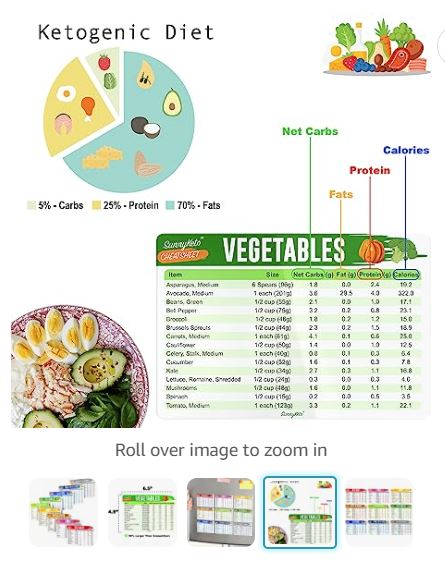

Find them here: Keto Fridge Magnets

That didn’t work of course but the magnets are still on my fridge and I use them daily to help me keep on track when I am cooking for all of us. I still try to maintain as much low-carb food as possible.

Disclosure: Some of the links above are affiliate links. This means that, at zero cost to you, I will earn an affiliate commission if you click through the link and finalize a purchase, thank you.

Marty Ross

Marty Ross Lyme Protocols

Why – if you have Lyme, babesia, or Bartonella, you should be reading Marty Ross’s protocols.

Bartonella Treatment in Lyme Disease—A Lot Has Changed

The latest laboratory experiments suggest effective Bartonella treatments must do more than kill growing germ forms—they should also kill hibernating persister forms of Bartonella and include agents to remove biofilms and fibrin nests.

Head on over to Marty’s website (TreatLyme) to listen to, or read about, how to recover your health, you will find treatment plans including dosing and combinations. Kill Bartonella a brief guide

I was so intrigued, I purchased his book Marty Ross Hacking Lyme Disease available on Amazon (affiliate link). This following is the write-up from Amazon.

The good news is—you can recover from Lyme disease and related infections like Bartonella and Babesia.

In Hacking Lyme Disease: An Action Guide to Wellness renowned expert Marty Ross, MD shows you the way. This book is a compendium of key articles from Treat Lyme by Marty Ross MD (treatlyme.net).

YOU WILL FIND
• step-by-step action plans for the best herbal and prescription germ killers for each kind of infection found in Lyme disease;
• key steps to take if your previous treatments failed;
• the best approaches for treating bacterial Lyme and Bartonella persisters based on the latest research;
• the full Ross Lyme Support Protocol for dealing with all aspects of chronic Lyme disease;
• the latest information on oral peptide therapies to repair damage;
• a critical review of many alternative medicine treatments like SOT, Rife machines, hyperthermia, and more;
• key treatments for many Lyme related conditions like mold toxicity and mast cell activation syndrome; and
• a science-based review of actions you need to take for the best chance of recovery.

Marty Ross, MD is a passionate Lyme disease educator and integrative medicine clinical expert. He helps Lyme sufferers, and their physicians see what really works based on his review of the science and extensive real-world experience. As the host of Conversations with Marty Ross MD, a free weekly Lyme Q & A webinar, Dr. Ross knows the questions people ask. Based on nearly 20 years successfully treating chronic Lyme disease, Dr. Ross knows what works

Gratitude

Gratitude Journaling for Mental Wellness

7 reasons why gratitude journaling may be something you do.

(free 30-day gratitude planner download)

This life can honestly make us feel like we are stuck, stuck in quicksand with no one pulling us out. Self-care is something I want to engage in, but with no time for the gym and limited time for myself, I took up journaling on my phone. I eventually graduated to keeping a short and simple journal. Some nights all I do is write the 3 things that I can think of that day that made me think life wasn’t so bad, or I should say mostly I try (before I go to sleep) to write at least 3 positive things from the day. I have been doing this for months and months now and can honestly say, while at first it was gritted teeth and short terse notes, now I find myself stopping so I can actually focus on sleep. Turns out there is way more to be grateful for than I ever considered.

Gratitude journaling is a practice that involves regularly expressing gratitude and documenting the things you are thankful for in your life. This simple yet powerful activity has been shown to have several positive effects on mental health. Here are seven reasons why gratitude journaling is beneficial:

  1. Shifts focus to positive aspects: Gratitude journaling redirects your attention from negative thoughts and challenges to the positive aspects of your life. It encourages you to recognize and appreciate the good things, no matter how small they may seem. This shift in focus can help counteract negativity bias and promote a more optimistic outlook.
  2. Enhances positive emotions: By intentionally reflecting on the things you are grateful for, you stimulate positive emotions such as joy, contentment, and happiness. Regularly experiencing these positive emotions can contribute to overall well-being and a greater sense of life satisfaction.
  3. Reduces stress and anxiety: Engaging in gratitude journaling can be a form of mindfulness practice. When you focus on the present moment and the positive aspects of your life, it can help alleviate stress and anxiety. Research has shown that gratitude journaling can lead to lower levels of perceived stress and a reduction in symptoms of anxiety.
  4. Improves resilience: Practicing gratitude can enhance your ability to cope with challenging situations. It fosters a mindset that allows you to find meaning and value even in difficult circumstances. By cultivating gratitude, you build resilience and develop a more positive perspective when facing adversity.
  5. Promotes better sleep: Many individuals struggle with racing thoughts and worries when trying to sleep. Gratitude journaling before bedtime can help calm the mind and shift focus away from negative rumination. This can contribute to improved sleep quality and a more restful night. It does at least help me stop ruminating on things from my day, which helps clear my mind for sleep.
  6. Strengthens relationships: Expressing gratitude in a journal can also extend to expressing it toward others. Sharing gratitude with loved ones can enhance relationships and foster a sense of connection and support. This, in turn, can contribute to increased social support and a greater sense of belonging.
  7. Cultivates self-awareness and mindfulness: Gratitude journaling encourages self-reflection and self-awareness. It prompts you to pay attention to the positive aspects of your life, fostering a greater sense of mindfulness and appreciation for the present moment.

Enjoy our free download below: 30 Days to a New You (or at least a different perspective) Try journaling for the next 30 days and see how it works for you. Don’t forget to subscribe and comment below.

Subscribe to our MailChimp list for more great free downloads.

Overall, gratitude journaling is seen as a simple yet powerful tool for improving mental health. By regularly practicing gratitude and acknowledging the good in your life, you can cultivate a more positive mindset, reduce stress, and enhance overall well-being.

[embeddoc url=”https://lovingthespectrum.com/wp-content/uploads/2023/06/30-Days-to-a-new-you.pdf” download=”logged” viewer=”browser”]

Want to read more? Some notable papers on gratitude journaling:

  1. Emmons, R. A., & McCullough, M. E. (2003). Counting blessings versus burdens: An experimental investigation of gratitude and subjective well-being in daily life. Journal of Personality and Social Psychology, 84(2), 377-389.
  2. Seligman, M. E., Steen, T. A., Park, N., & Peterson, C. (2005). Positive psychology progress: Empirical validation of interventions. American Psychologist, 60(5), 410-421.
  3. Lyubomirsky, S., Dickerhoof, R., Boehm, J. K., & Sheldon, K. M. (2011). Becoming happier takes both a will and a proper way: An experimental longitudinal intervention to boost well-being. Emotion, 11(2), 391-402.
  4. Kashdan, T. B., Uswatte, G., & Julian, T. (2006). Gratitude and hedonic and eudaimonic well-being in Vietnam war veterans. Behaviour Research and Therapy, 44(2), 177-199.
  5. Toepfer, S. M., Cichy, K., & Peters, P. (2012). Letters of gratitude: Improving well-being through expressive writing. Journal of Writing Research, 4(3), 277-299. “Abstract This study examined the effects of writing letters of gratitude on three primary qualities of well-being; happiness (positive affect), life-satisfaction (cognitive evaluation), and depression (negative affect). Gratitude was also assessed. Participants included 219 men and women who wrote three letters of gratitude over a 3 week period. A two-way mixed method ANOVA with a between factor (writers vs. non-writers) and within subject factor (time of testing) analysis was conducted. Results indicated that writing letters of gratitude increased participants’ happiness and life satisfaction, while decreasing depressive symptoms. The implications of this approach for intervention are discussed. (PsycInfo Database Record (c) 2023 APA, all rights reserved)”

These studies provide some insights into the effects of gratitude journaling on subjective well-being, happiness, and psychological outcomes.

Supplements, B Vitamins are they effective?

We use tons of supplements still, including all the B vitamins, but are they effective?

The Impact of Vitamin B6 on Mental Health: Exploring the Connection

In recent years, there has been a growing interest in the relationship between nutrition and mental health, and if you have read any of this blog, you know we certainly have been on an extensive journey chasing wellness and recovery.

Consistently, the research I find continues to show that specific nutrients play a crucial role in maintaining optimal brain function and emotional well-being. Read more here about B Vitamins, but vitamin B6 specifically, also known as pyridoxine, has garnered attention for its potential impact on mental health. I wanted to explore the connection between vitamin B6 and mental health and discuss its role, food sources, and potential benefits.

Understanding Vitamin B6:

Google says: Vitamin B6 is a water-soluble vitamin that belongs to the B-complex family. It plays a vital role in numerous bodily functions, including the synthesis of neurotransmitters such as serotonin, dopamine, and gamma-aminobutyric acid (GABA), which are crucial for regulating mood, emotions, and cognitive function.

Food Sources of Vitamin B6:

Vitamin B6 can be obtained through various dietary sources and I try really hard to load the kids up on these options at least one meal a day. I buy organic or use a co-op to source the best we can nutritionally, we also keep backyard chickens for really quality eggs that I add to so much of my cooking.

Other good food sources of vitamin B6 include:

  1. Poultry (such as chicken and turkey)
  2. Fish (such as salmon and tuna)
  3. Eggs
  4. Whole grains (such as oats, brown rice, and wheat germ)
  5. Legumes (such as lentils, chickpeas, and beans)
  6. Nuts and seeds (such as sunflower seeds and walnuts)
  7. Fruits (such as bananas and avocados)
  8. Vegetables (such as spinach, potatoes, and bell peppers)

The Role of Vitamin B6 in Mental Health:

  1. Serotonin Production: Vitamin B6 is involved in the synthesis of serotonin, a neurotransmitter known for its mood-regulating properties. Adequate levels of serotonin are essential for maintaining a positive mood and preventing conditions such as depression and anxiety.
  2. GABA Synthesis: GABA is an inhibitory neurotransmitter that helps calm the brain and reduce anxiety. Vitamin B6 is required for the conversion of glutamate, an excitatory neurotransmitter, into GABA, thus promoting a state of relaxation and mental tranquility.
  3. Dopamine Regulation: Vitamin B6 also plays a role in the production and regulation of dopamine, a neurotransmitter associated with motivation, reward, and pleasure. Optimal dopamine levels are crucial for maintaining mental focus, motivation, and overall cognitive function.

Potential Benefits of Vitamin B6 for Mental Health:

  1. Mood Enhancement: Adequate intake of vitamin B6 may contribute to a more positive mood and help alleviate symptoms of depression. Studies have suggested that vitamin B6 supplementation may be beneficial for individuals with depressive symptoms, although further research is needed to establish definitive conclusions.
  2. Anxiety Reduction: Vitamin B6’s involvement in GABA synthesis suggests that it may help reduce anxiety and promote a sense of calmness. While more research is required, preliminary studies have shown promising results in terms of vitamin B6’s potential role in anxiety management.
  3. Cognitive Function: Optimal levels of vitamin B6 may support cognitive function, including memory, attention, and executive function. Research has indicated that vitamin B6 deficiency may impair cognitive abilities, and supplementation could have beneficial effects, particularly in older adults.
  4. Sleep Regulation: Vitamin B6 is also involved in the production of melatonin, a hormone that regulates sleep-wake cycles. Adequate vitamin B6 levels may promote healthy sleep patterns, contributing to overall mental well-being.

Our final thoughts:

While the relationship between vitamin B6 and mental health is an area of potential controversy amongst those who are not bought into the health and wellness protocols, almost everyone agrees B Vitamins are essential. Furthermore, scientific studies offer evidence to suggest that adequate intake of this vitamin is important for maintaining optimal brain function and emotional well-being.

Including food sources rich in vitamin B6 as part of a balanced diet can be a proactive step toward supporting mental health regardless of whether we buy in 100%. Our disclaimer always, we are not doctors or health coaches, just parents trying to help our kids in a world of toxic soup, so it is always advisable to consult with a healthcare professional before considering any supplementation or making significant changes to your diet.

We do use Vitamin supplements all day long because honestly with teenagers there are days they just refuse to eat anything but pizza (see my MCT oil posts) and overall, while I insist on quality, I also have to be realistic with costs. I have 2 kids plus myself on this wellness journey and we are not rich (there are affiliate links in my posts and I may earn a small commission from products you click on and purchase) – however, you should know, my main retirement plan currently is to win the lottery. While I wait for that to happen, I try to be realistic with what I buy, I personally like the  Douglas Labs Vitamins and Products (Douglas Labs B Vitamins) because they have quality supplements that don’t break the bank. I also like Douglas Labs Multi-B products (Douglas Labs Multi B vitamins) because all the B vitamins work together to give us what we need synergistically without taking dozens of different products every day (remember my Leucovorin post).

From Douglas LaboratoriesOur products are manufactured in accordance with cGMPs (current good manufacturing practices) for Nutritional Supplements. Our in house laboratories are ISO 9001:2005 certified and ISO 17025:2005 accredited. Our manufacturing facilities are approved to produce Certified Organic and NSF Certified for Sport® products. Our VCP (Vendor Certification Program) ensures raw material safety and quality.”

Ozone Therapy

We have a Promolife Generator for Ozone Therapy

Follow us on Instagram, Facebook, Pinterest and Youtube.

We wanted to try ozone to see if it helped us get well.

In 2020 we finally invested in an ozone generator. This has proven invaluable since then in my personal healing. We originally invested at the height of COVID in a Promolife package but honestly, we had been thinking about this for a long time, COVID was just what finally pushed us to pull the trigger.

Luckily, we already had a 5L oxygen concentrator that was easy to hook up to the pediatric flow regulator and get going fast. This setup has been super easy to use and because it is nice to look at and a fairly small setup, we are able to keep it readily accessible. Honestly, if it wasn’t always out, I don’t think we would use it as much. Especially as there is nothing worse than unpacking cupboards and trying to find things when you feel like absolute garbage physically.

Our go-to usage is ear insufflation, breathing through oil, and making ozone water. Side tip: If anyone has a funny-tummy ozone water is the best remedy we have found. A: It is possible to sip when you feel nauseous and gaggy, but also it turns things around quickly. We also like using silver but have found ozone to be a little more effective, a little faster, and definitely cheaper to produce than silver.

5L Airsep Concentrator

Anyway, after a particularly nasty, long, relentless round of COVID, I purchased the Promolife package (not to cure COVID but to help restore my overall health and well-being, I am aware this is not a “cure” for any virus). Once I started committing to regular use of ozone therapy, HBOT, the heavenly heat sauna, and some heavy-duty quality supplements (call Dr. Rick), I finally started to turn things around.

From there, it really took a solid 2 years of focus to get me to where I am now, which is actually in better shape than I was before I got the virus. If there is a silver lining for us (for me) from COVID, it is this. I refocused much needed time and energy on my health.

Promolife
Disclaimer: My kids will only resort to ozone when they feel cruddy but won’t use anything anymore on a regular basis so there is that, but when they are sick, ozone water is always something I can get them to at least take 5-10 MLS of.

Here is what my setup looks like:

Ozone generator set up Promolife Pediatric Airflow Various glass beakers for ozone Breathing through Ozone #BOO olive oil insufflation

This article from the Center for Natural and Integrative Medicine has some great reasons for using ozone. They list the 10 “surprising” benefits of ozone therapy. Obviously at home, we are limited to insufflation techniques; however, we still got great healing happening from doing regular treatments at home.

1. Immune Boost
Ozone therapy stimulates the immune system to improve the body’s natural defense against sickness and disease. This makes ozone therapy an effective treatment for conditions that cause an underactive immune system such as AIDS, cancer, and chronic infections.

2. Immune Regulation
In addition to providing immune stimulation for people with an underactive immune system, ozone therapy also works as an immune regulator. For people with autoimmune diseases, ozone therapy can help to slow down the overactive immune system for symptom relief.

3. Improved Oxygen Delivery
Ozone therapy boosts oxygen delivery to cells, tissues, and organs, which improves the body’s ability to function optimally.

4. Detoxification
Ozone therapy supports the body’s ability to flush out toxins, whether they be from the environment or from lifestyle habits. The powerful detoxification afforded by ozone therapy can provide a significant boost to your overall wellness.

5. Greater Blood Circulation
Ozone therapy has also been proven to boost blood circulation; better circulation ensures that nutrients are more effectively delivered to the body’s cells, tissues, and organs that need them.

6. Antioxidant Protection
Ozone therapy is the most efficacious treatment for increasing antioxidant protection; antioxidants are crucial for the body’s natural defense. Most individuals with chronic disease have insufficient antioxidant defenses.

7. Bacterial Infection Treatment
Due to its antibacterial properties, ozone therapy can treat bacterial infections and lower the risk of infection if you have an open wound.

8. Diabetes Care
By lowering oxidative stress in the body and preventing oxygen starvation in the cells, ozone therapy is a valuable treatment in diabetes management.

9. Chronic Pain Relief
Ozone therapy is a natural treatment option for individuals experiencing chronic pain. The treatment can help relieve pain by reducing inflammation in the body and supporting the healing process of damaged tissues.

10. Mitochondrial Stimulation
Did you know that decreased mitochondrial energy production is the main underlying cause of all degenerative diseases? It’s true, and ozone therapy can help by acting as a mitochondrial stimulant.”

Additionally, taking care of our environment with non toxic cleaning products, switching our personal care products and drinking clean water (Read more on Flouride and why it’s a good idea to keep it at a minimum) and try Promolife’s solution to fouride.

Finally Ozone Saunas: Promolife is able to offer 2 ozone sauna options and we love having choices. I haven’t pulled the trigger yet on the ozone sauna I am still using my far infrared sauna daily, but I would eventually love to get one of the far infrared sauna domes when possible.

Relax Infrared Ozone Sauna  or This would be my ultimate: Ozone Ready Far Infrared Sauna Dome

Please note that some of the links on this page are affiliate links, and I will earn a small commission (and be eternally grateful) if you purchase through my links. I only promote and recommend products I use personally and companies that I find helpful and trustworthy. Please let me know if you have any questions about any of my links or the products themselves, I am always happy to share what worked for us (or didn’t).

Promolife

Subscribe for the latest updates on our Journey Back to Health. What to expect when encephalitis becomes an unwelcome visitor in your home!

We promise to never sell, barter, share or trade your information, “Namaste”.

Subscribe to Our Newsletter