Medication and treatment

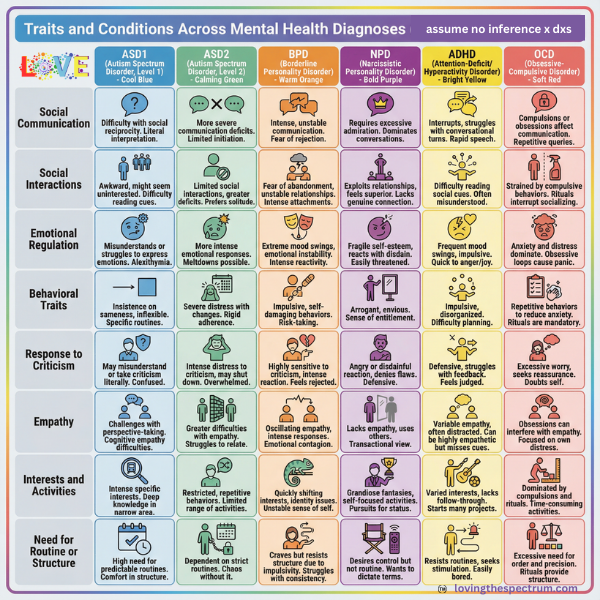
Comparison Charts for Letter Disorders (ASD, NPD, BPD, OCD, ADHD, CPTSD)

Letter Disorders, Comparison Charts, Overlapping Symptoms.

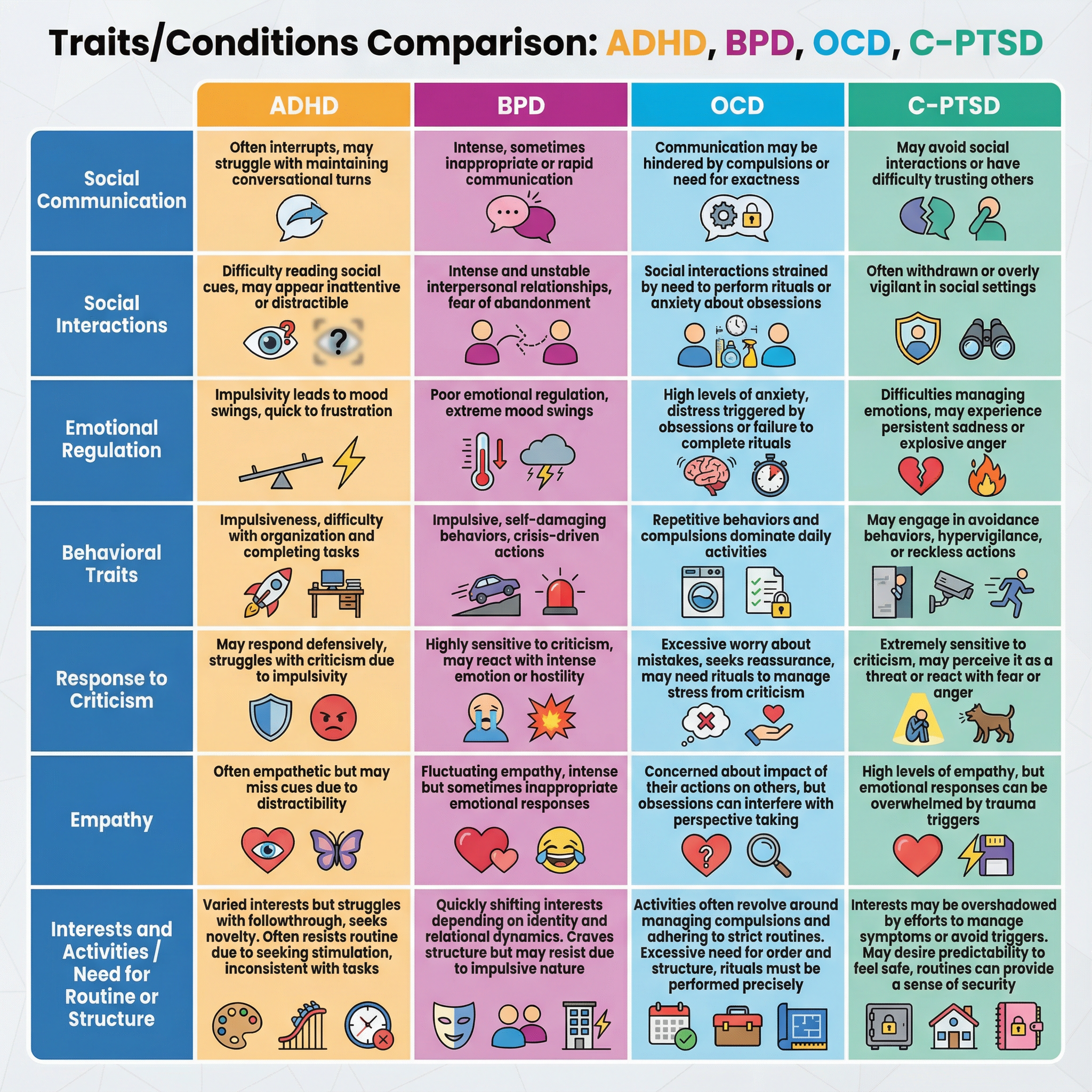
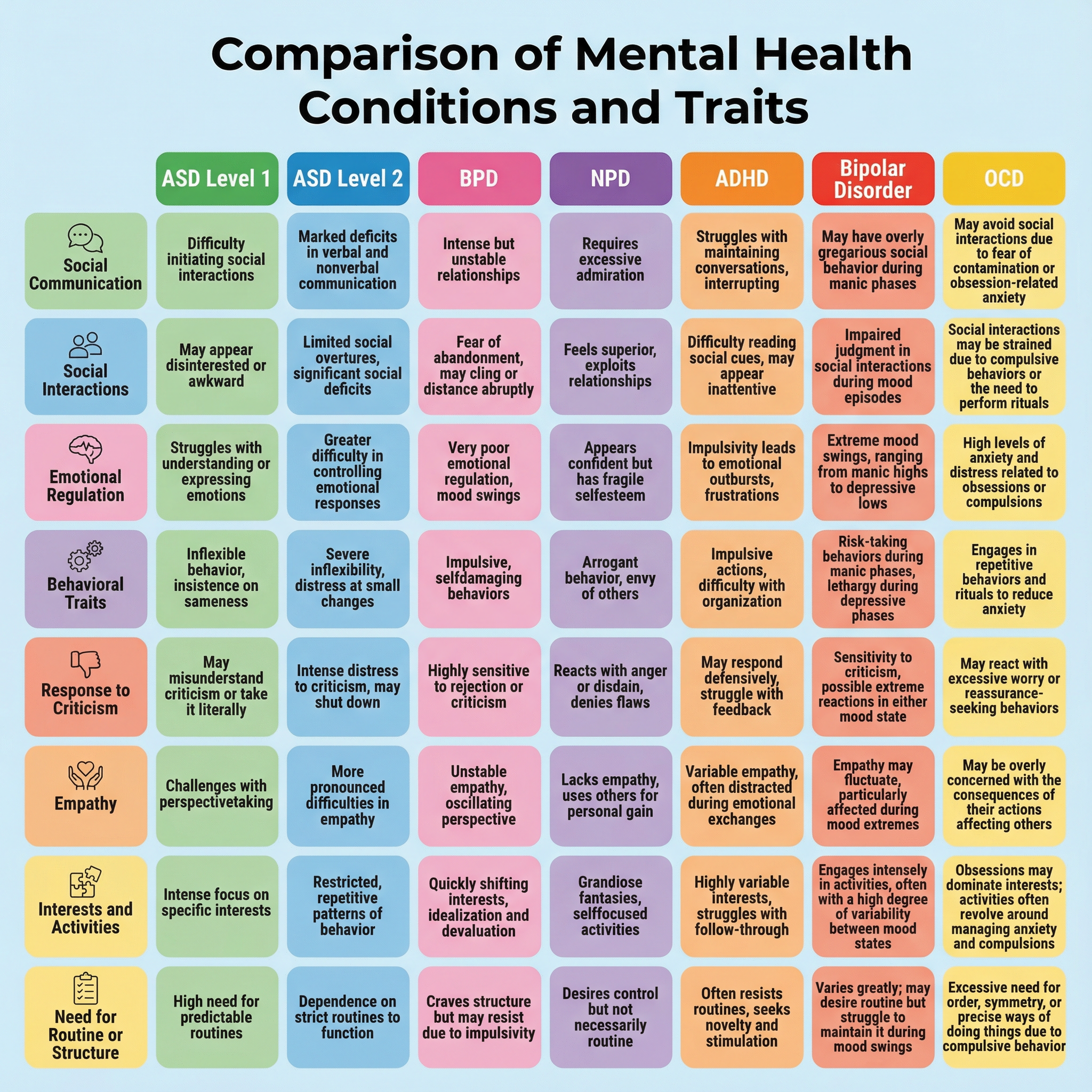
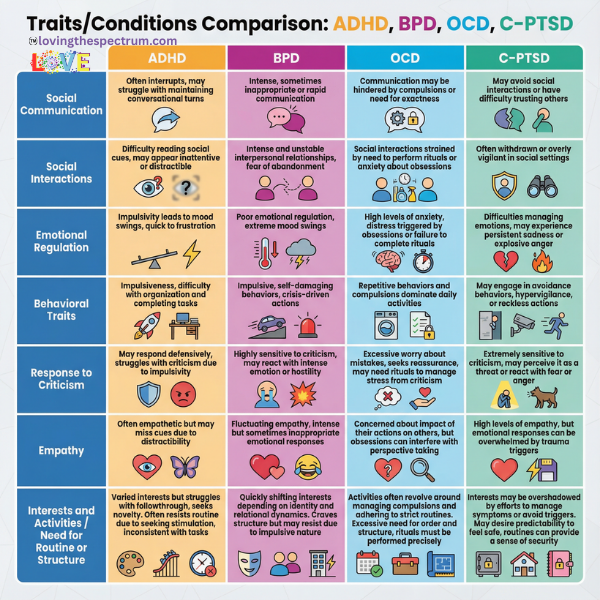
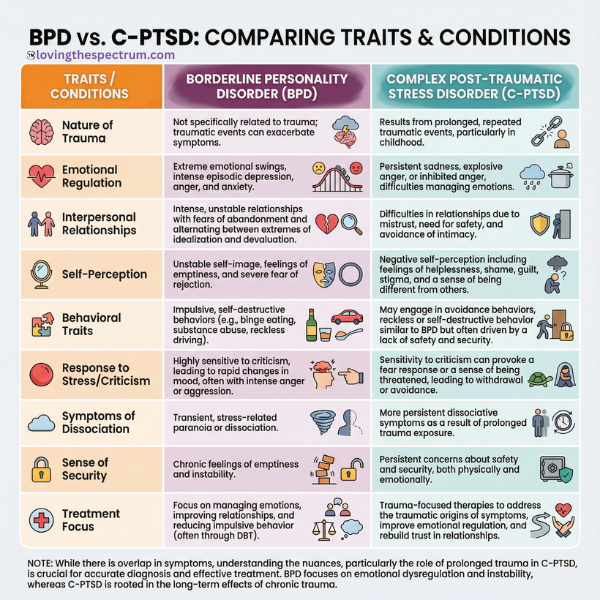
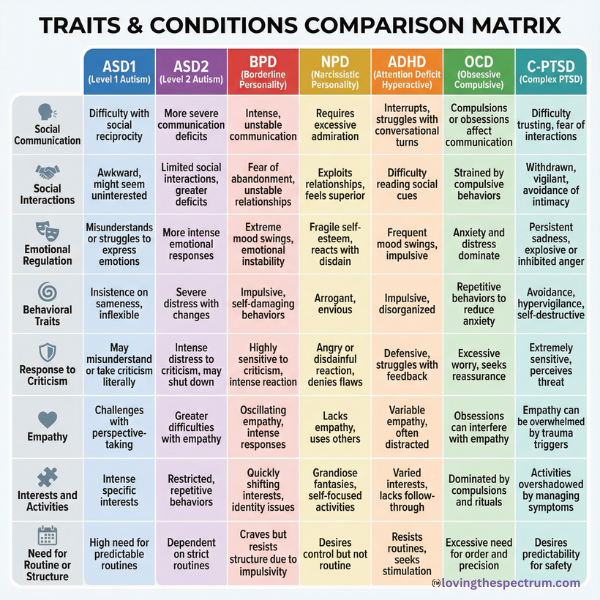
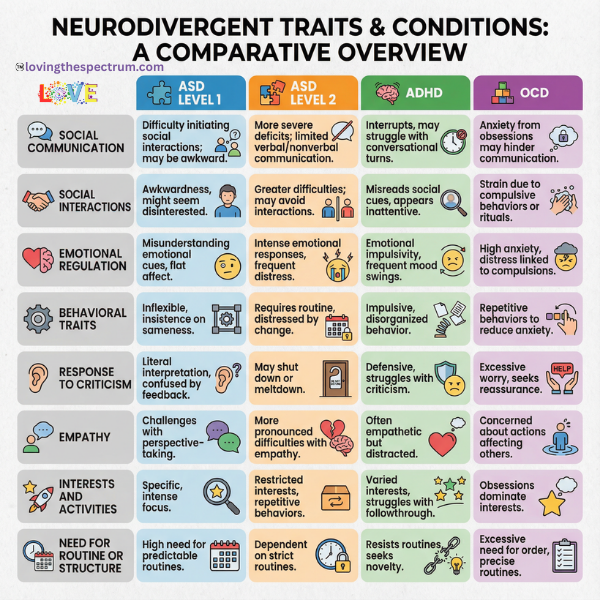
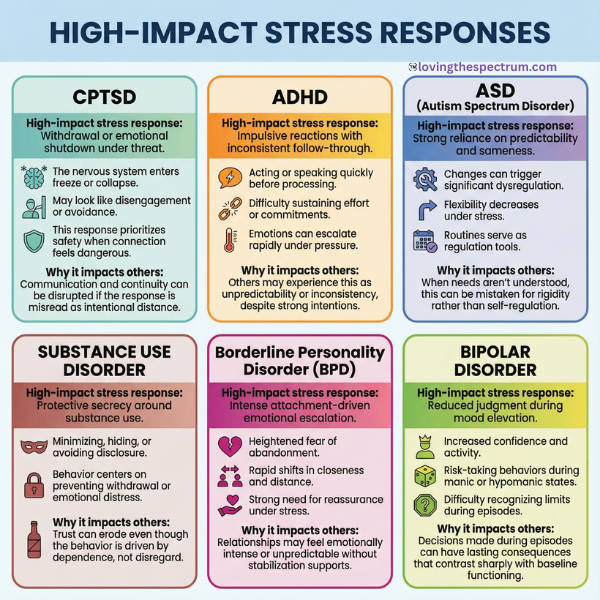
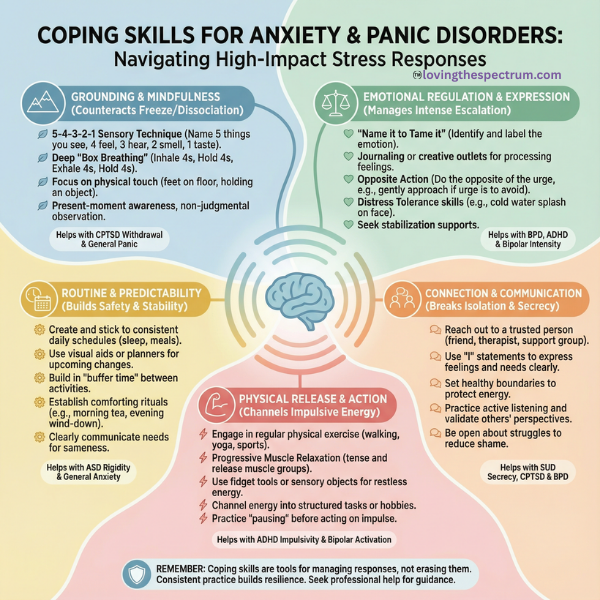
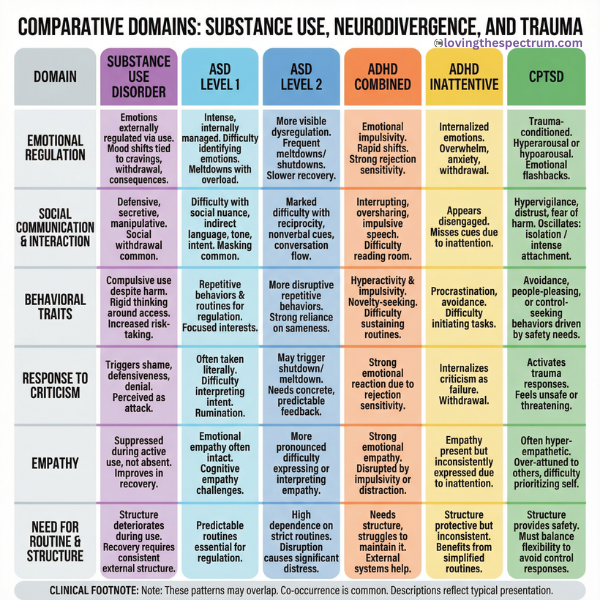
I am always confused, so I made myself some comparison charts with the help of AI. If you are also confused, you may find these charts helpful. Always check with your doc; this was AI-generated with my specific questions, so yours may be different, but at least it is a place to begin. I hope it helps break down some of the overlapping confusion. So many symptoms, so many comorbidities, so much confusion. They may look the same, but read the top for clarification; some are similar and only change in the heading.

Please note the 6 types of ADHD are from
Dr. Daniel Amen’s research and not the DSM-5.

Click any image to open full size in a new tab
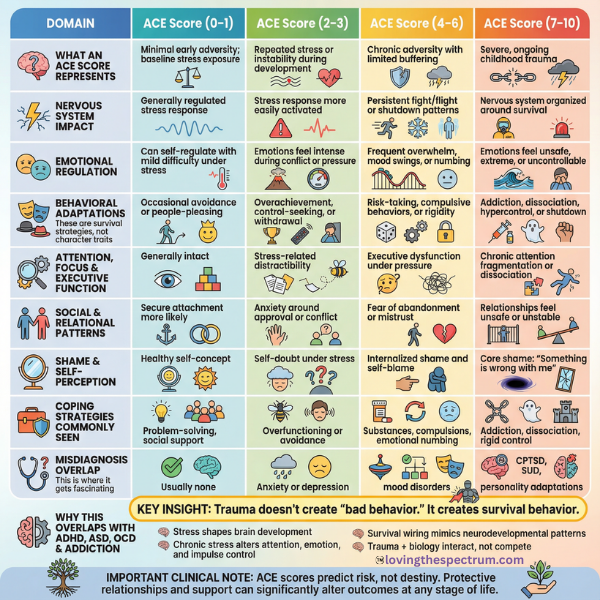
I set these up deliberately in different formats so I can ask my kiddo to circle what is most bothersome, but also to get a clear answer on what and which—not just a random “gonna just circle and move on” list. This helped us both understand where the significant challenges are versus those that are not so significant. There is no particular order—just the things that have been mentioned as diagnoses along the way.

Click any image to open full size in a new tab
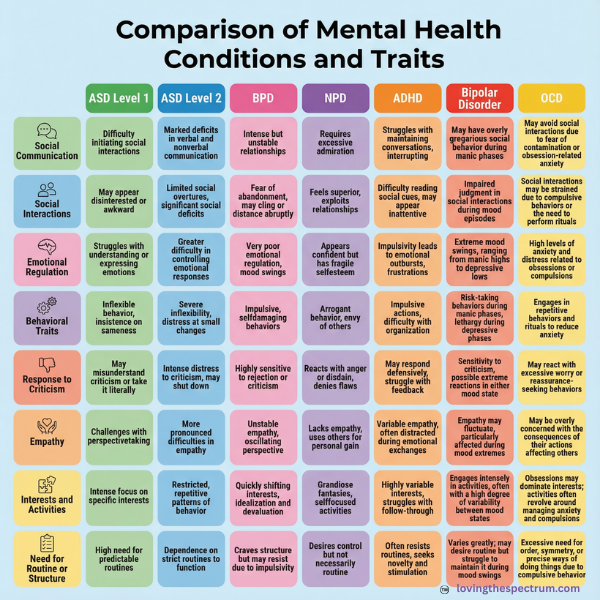
Click any image to open full size in a new tab #FreeDownload
Psilocybin

Psilocybin and Mental Health: Navigating Therapeutic and Legal Landscapes

Psilocybin, the psychedelic compound in “magic mushrooms,” has garnered attention for its potential in mental health treatment. This naturally occurring substance is being explored for its therapeutic benefits, particularly in areas like treatment-resistant depression, anxiety in terminal illnesses, addiction, and post-traumatic stress disorder (PTSD).

Therapeutic Potential of Psilocybin

  • Treatment-Resistant Depression: Psilocybin shows promise in alleviating symptoms in individuals who have not benefited from conventional antidepressants. It has been associated with significant, lasting improvements in mood and well-being.
  • Anxiety and Terminal Illness: For those facing end-of-life distress, psilocybin can offer relief, bringing a sense of peace and enhanced quality of life.
  • Addiction Treatment: Studies suggest psilocybin may help break the cycle of addiction, including alcohol and tobacco dependence, by fostering a change in perspective and promoting introspection.
  • PTSD Relief: Psilocybin has potential benefits for PTSD sufferers, helping to process traumatic memories and reducing symptom severity.
  • Spiritual Experiences: The compound is known for inducing profound spiritual experiences, which can be transformative, enhancing a sense of connection and personal insight, and contributing to mental health recovery.

Caution and Considerations

While the therapeutic promise of psilocybin is compelling, it is crucial to approach its use with caution. Individuals with a history of psychosis, schizophrenia, or related conditions should be particularly careful, as psychedelics may exacerbate such conditions. Psilocybin therapy should only be considered under the guidance of qualified professionals in a controlled setting. Who shouldn’t take Psilocybin? It’s good to be aware of who shouldn’t take these therapies and compounds if they meet certain criteria.

Legal Landscape

The legality of psilocybin varies globally. In the United States, it remains a Schedule I substance federally, though some states and cities have moved towards decriminalization or medical use approval. In Canada, it’s permitted under special access for end-of-life care and specific medical conditions. Countries like the Netherlands, Jamaica, and Brazil have differing levels of regulation and acceptance, from legal truffles to more lenient policies on psilocybin use.

Navigating Legal and Therapeutic Pathways

For those considering psilocybin for mental health, it’s vital to stay informed about the legal status in your region and seek professional medical advice. The landscape of psychedelic therapy is evolving, and understanding both the potential benefits and legal constraints is essential for anyone exploring this option for mental health recovery.

Psilocybin offers exciting possibilities for treating various mental health conditions, but it must be approached responsibly, with awareness of legal restrictions and potential health risks. Consulting with healthcare professionals, and experienced guides, as well as staying informed about local laws are crucial steps in safely exploring the therapeutic potential of psilocybin.

Marty Ross

Marty Ross Lyme Protocols

Why – if you have Lyme, babesia, or Bartonella, you should be reading Marty Ross’s protocols.

Bartonella Treatment in Lyme Disease—A Lot Has Changed

The latest laboratory experiments suggest effective Bartonella treatments must do more than kill growing germ forms—they should also kill hibernating persister forms of Bartonella and include agents to remove biofilms and fibrin nests.

Head on over to Marty’s website (TreatLyme) to listen to, or read about, how to recover your health, you will find treatment plans including dosing and combinations. Kill Bartonella a brief guide

I was so intrigued, I purchased his book Marty Ross Hacking Lyme Disease available on Amazon (affiliate link). This following is the write-up from Amazon.

The good news is—you can recover from Lyme disease and related infections like Bartonella and Babesia.

In Hacking Lyme Disease: An Action Guide to Wellness renowned expert Marty Ross, MD shows you the way. This book is a compendium of key articles from Treat Lyme by Marty Ross MD (treatlyme.net).

YOU WILL FIND
• step-by-step action plans for the best herbal and prescription germ killers for each kind of infection found in Lyme disease;
• key steps to take if your previous treatments failed;
• the best approaches for treating bacterial Lyme and Bartonella persisters based on the latest research;
• the full Ross Lyme Support Protocol for dealing with all aspects of chronic Lyme disease;
• the latest information on oral peptide therapies to repair damage;
• a critical review of many alternative medicine treatments like SOT, Rife machines, hyperthermia, and more;
• key treatments for many Lyme related conditions like mold toxicity and mast cell activation syndrome; and
• a science-based review of actions you need to take for the best chance of recovery.

Marty Ross, MD is a passionate Lyme disease educator and integrative medicine clinical expert. He helps Lyme sufferers, and their physicians see what really works based on his review of the science and extensive real-world experience. As the host of Conversations with Marty Ross MD, a free weekly Lyme Q & A webinar, Dr. Ross knows the questions people ask. Based on nearly 20 years successfully treating chronic Lyme disease, Dr. Ross knows what works

Supplements, B Vitamins are they effective?

We use tons of supplements still, including all the B vitamins, but are they effective?

The Impact of Vitamin B6 on Mental Health: Exploring the Connection

In recent years, there has been a growing interest in the relationship between nutrition and mental health, and if you have read any of this blog, you know we certainly have been on an extensive journey chasing wellness and recovery.

Consistently, the research I find continues to show that specific nutrients play a crucial role in maintaining optimal brain function and emotional well-being. Read more here about B Vitamins, but vitamin B6 specifically, also known as pyridoxine, has garnered attention for its potential impact on mental health. I wanted to explore the connection between vitamin B6 and mental health and discuss its role, food sources, and potential benefits.

Understanding Vitamin B6:

Google says: Vitamin B6 is a water-soluble vitamin that belongs to the B-complex family. It plays a vital role in numerous bodily functions, including the synthesis of neurotransmitters such as serotonin, dopamine, and gamma-aminobutyric acid (GABA), which are crucial for regulating mood, emotions, and cognitive function.

Food Sources of Vitamin B6:

Vitamin B6 can be obtained through various dietary sources and I try really hard to load the kids up on these options at least one meal a day. I buy organic or use a co-op to source the best we can nutritionally, we also keep backyard chickens for really quality eggs that I add to so much of my cooking.

Other good food sources of vitamin B6 include:

  1. Poultry (such as chicken and turkey)
  2. Fish (such as salmon and tuna)
  3. Eggs
  4. Whole grains (such as oats, brown rice, and wheat germ)
  5. Legumes (such as lentils, chickpeas, and beans)
  6. Nuts and seeds (such as sunflower seeds and walnuts)
  7. Fruits (such as bananas and avocados)
  8. Vegetables (such as spinach, potatoes, and bell peppers)

The Role of Vitamin B6 in Mental Health:

  1. Serotonin Production: Vitamin B6 is involved in the synthesis of serotonin, a neurotransmitter known for its mood-regulating properties. Adequate levels of serotonin are essential for maintaining a positive mood and preventing conditions such as depression and anxiety.
  2. GABA Synthesis: GABA is an inhibitory neurotransmitter that helps calm the brain and reduce anxiety. Vitamin B6 is required for the conversion of glutamate, an excitatory neurotransmitter, into GABA, thus promoting a state of relaxation and mental tranquility.
  3. Dopamine Regulation: Vitamin B6 also plays a role in the production and regulation of dopamine, a neurotransmitter associated with motivation, reward, and pleasure. Optimal dopamine levels are crucial for maintaining mental focus, motivation, and overall cognitive function.

Potential Benefits of Vitamin B6 for Mental Health:

  1. Mood Enhancement: Adequate intake of vitamin B6 may contribute to a more positive mood and help alleviate symptoms of depression. Studies have suggested that vitamin B6 supplementation may be beneficial for individuals with depressive symptoms, although further research is needed to establish definitive conclusions.
  2. Anxiety Reduction: Vitamin B6’s involvement in GABA synthesis suggests that it may help reduce anxiety and promote a sense of calmness. While more research is required, preliminary studies have shown promising results in terms of vitamin B6’s potential role in anxiety management.
  3. Cognitive Function: Optimal levels of vitamin B6 may support cognitive function, including memory, attention, and executive function. Research has indicated that vitamin B6 deficiency may impair cognitive abilities, and supplementation could have beneficial effects, particularly in older adults.
  4. Sleep Regulation: Vitamin B6 is also involved in the production of melatonin, a hormone that regulates sleep-wake cycles. Adequate vitamin B6 levels may promote healthy sleep patterns, contributing to overall mental well-being.

Our final thoughts:

While the relationship between vitamin B6 and mental health is an area of potential controversy amongst those who are not bought into the health and wellness protocols, almost everyone agrees B Vitamins are essential. Furthermore, scientific studies offer evidence to suggest that adequate intake of this vitamin is important for maintaining optimal brain function and emotional well-being.

Including food sources rich in vitamin B6 as part of a balanced diet can be a proactive step toward supporting mental health regardless of whether we buy in 100%. Our disclaimer always, we are not doctors or health coaches, just parents trying to help our kids in a world of toxic soup, so it is always advisable to consult with a healthcare professional before considering any supplementation or making significant changes to your diet.

We do use Vitamin supplements all day long because honestly with teenagers there are days they just refuse to eat anything but pizza (see my MCT oil posts) and overall, while I insist on quality, I also have to be realistic with costs. I have 2 kids plus myself on this wellness journey and we are not rich (there are affiliate links in my posts and I may earn a small commission from products you click on and purchase) – however, you should know, my main retirement plan currently is to win the lottery. While I wait for that to happen, I try to be realistic with what I buy, I personally like the  Douglas Labs Vitamins and Products (Douglas Labs B Vitamins) because they have quality supplements that don’t break the bank. I also like Douglas Labs Multi-B products (Douglas Labs Multi B vitamins) because all the B vitamins work together to give us what we need synergistically without taking dozens of different products every day (remember my Leucovorin post).

From Douglas LaboratoriesOur products are manufactured in accordance with cGMPs (current good manufacturing practices) for Nutritional Supplements. Our in house laboratories are ISO 9001:2005 certified and ISO 17025:2005 accredited. Our manufacturing facilities are approved to produce Certified Organic and NSF Certified for Sport® products. Our VCP (Vendor Certification Program) ensures raw material safety and quality.”

ERP Rogers Behavioral Health

Exposure Response Therapy (ERP) Rogers Behavioral Health

In the summer of 2018, we set off to Florida for 8 weeks of partial hospital programming at Rogers Behavioral Health.

Things we did like: We were a team effort, not just the child, but both parent and child undertook the program. I had a private space to work while B was in treatment. Occasionally I was pulled into his treatment, but they also ran classes for parents while our kids were engaged in the partial hospital program. At the end of the day, there was a debrief for all of us. The Ronald McDonald House was amazingly kind and helpful. You cannot beat Florida (St. Petersberg) for being in treatment over the summer. We watched a lot of kids recover using ERP (exposure response therapy) while we were there. However, those kids were petrified of tangible things, things the therapists could touch, feel and control, which on so many levels made treatment easier and more successful. Pure OCD is not as easy.

Things we were disappointed about: They didn’t recognize pure OCD or PANS/PANDAS. They didn’t believe me when I said the medication they were insistent on trying had been tried before and made everything worse, spoiler: it did. Most disappointing, in the end, we left without any real movement in symptoms or complexity.

“Exposure and response prevention (ERP) is a form of cognitive behavioral therapy (CBT) used to treat a variety of conditions, including anxiety, phobias, and eating disorders. It is considered the gold-standard treatment for obsessive-compulsive disorder (OCD).”

In fact, 5 years later, and I have finally paid off the copayment, he is still very upset at me for making him stay in a program that was “useless and made him feel much worse about himself”. All fair comments. We left that program with a  diagnosis of “pathological self-hatred”! Which now I know better, is a HUGE indicator for Pure OCD and I feel the therapists should have been very aware of the connection and subtle presentation.  The reassurance compulsion was what triggered the “self-hatred” piece of the diagnosis in the first place.  How to comprehend that cycle of hatred and OCD and PURE OCD?

“How do you Recover from OCD and an Addiction to Self-Hatred by 

Mental illness is not easy to comprehend for the ill or the healthy. The overwhelming majority of medical professionals believe that many disorders are incurable with our current tools. Many say the best a person can hope for is relief from the symptoms.”

Breaking this cycle is proving monumentally hard.


Subscribe for the latest updates on our Journey Back to Health. What to expect when encephalitis becomes an unwelcome visitor in your home!

We promise to never sell, barter, share or trade your information, “Namaste”.

Subscribe to Our Newsletter