Healing therapies

Modified Atkins Diet

Using a Modified Atkins Plan for Healing

Modified Atkins Diet for Seizures, GLUT1 Enzyme Deficiency, and Other Health Concerns

Introduction to the Modified Atkins Diet

The Modified Atkins Diet is a variation of the traditional Atkins Diet, tailored to be less stringent by allowing more carbohydrates, though still emphasizing fat as the primary source of calories. Unlike the classical Atkins Diet, the MAD does not require strict counting of calories but focuses on limiting carbohydrate intake to a recommended 10-20 grams per day initially (Kossoff & Dorward, 2008). This approach has been particularly noted for its effectiveness in managing epilepsy and other neurological disorders (Sharma et al., 2013).

Embarking on a Modified Atkins Diet (MAD) can be a transformative journey, particularly for those seeking a less restrictive, yet effective, approach to a low carbohydrate regimen. This meal plan is designed to offer variety and simplicity, making the experience both enjoyable and sustainable. Below, you’ll find carefully planned meals for each day, ensuring that your nutritional needs are met while adhering to the principles of the Modified Atkins Diet. I did this for my own house and decided to share it here as well. Read on, or Download here:

[embeddoc url=”https://lovingthespectrum.com/wp-content/uploads/2024/04/Modified-atkins-plan.pdf” download=”logged” viewer=”browser”]

How to Use This Meal Plan:

Each day provides three main meals—breakfast, lunch, and dinner—along with two optional snacks. The plan is designed to keep daily carbohydrate intake within the ideal range for the Modified Atkins Diet while ensuring meals are balanced and satisfying. It’s advised to adjust portion sizes according to individual caloric needs and consult with a nutritionist or healthcare provider before beginning any new diet plan:

Day 1

Breakfast: Avocado Egg Salad

  • Ingredients: 2 eggs, 1 ripe avocado, salt, pepper, a squeeze of lemon juice
  • Instructions: Hard boil the eggs, peel and chop. In a bowl, mash the avocado with lemon juice, salt, and pepper. Mix in the chopped eggs.

Lunch: Grilled Chicken over Mixed Greens

  • Ingredients: Chicken breast, mixed salad greens, olive oil, balsamic vinegar
  • Instructions: Grill the chicken breast and slice it. Toss it with mixed greens and drizzle with olive oil and balsamic vinegar.

Dinner: Zucchini Lasagna

  • Ingredients: Zucchini, ground beef, marinara sauce, ricotta cheese, mozzarella cheese
  • Instructions: Slice zucchini into thin strips and grill lightly. Layer zucchini, cooked ground beef, marinara sauce, and cheese in a baking dish. Bake at 375°F until bubbly.

Snacks: Celery with almond butter, Greek yogurt (plain)

Day 2

Breakfast: Coconut Flour Pancakes

  • Ingredients: Coconut flour, eggs, almond milk, baking powder, vanilla extract
  • Instructions: Mix all ingredients to create a pancake batter. Cook pancakes on a nonstick skillet until golden on each side.

Lunch: Turkey Lettuce Wraps

  • Ingredients: Ground turkey, lettuce leaves, avocado, salsa
  • Instructions: Cook ground turkey and season as desired. Place in lettuce leaves and top with slices of avocado and salsa.

Dinner: Beef Stir Fry with Vegetables

  • Ingredients: Thinly sliced beef, broccoli, bell pepper, soy sauce, sesame oil
  • Instructions: Stir fry beef and vegetables in sesame oil, and season with soy sauce.

Snacks: Cucumber slices with cream cheese, Olives

Day 3

Breakfast: Chia Pudding

  • Ingredients: Chia seeds, almond milk, vanilla extract, stevia
  • Instructions: Mix chia seeds, almond milk, vanilla, and stevia. Let sit overnight in the fridge.

Lunch: Salmon Salad with Olive Oil Dressing

  • Ingredients: Cooked salmon, mixed salad greens, olive oil, lemon juice
  • Instructions: Flake cooked salmon over mixed greens. Dress with olive oil and lemon juice.

Dinner: Pork Chops with Asparagus

  • Ingredients: Pork chops, asparagus, olive oil, garlic
  • Instructions: Season pork chops and asparagus with olive oil and garlic, then grill until pork chops are cooked through and asparagus is tender.

Snacks: Hard-boiled eggs, Handful of walnuts

Day 4

Breakfast: Greek Yogurt with Nuts and Cinnamon

  • Ingredients: Greek yogurt, mixed nuts, cinnamon
  • Instructions: Mix Greek yogurt with a handful of nuts and sprinkle with cinnamon.

Lunch: Spinach and Feta Stuffed Chicken

  • Ingredients: Chicken breast, spinach, feta cheese, olive oil
  • Instructions: Cut a pocket into each chicken breast, stuff with spinach and feta, season, and bake.

Dinner: Shrimp and Cauliflower Grits

  • Ingredients: Shrimp, cauliflower rice, garlic, butter, cheese
  • Instructions: Cook cauliflower rice with garlic, butter, and cheese to make “grits.” Sauté shrimp and serve over the grits.

Snacks: Sliced peppers with guacamole, Macadamia nuts

Day 5

Breakfast: Cheese and Herb Omelette

  • Ingredients: Eggs, cheese, fresh herbs (such as chives or parsley), butter
  • Instructions: Beat eggs with herbs, cook in a buttered pan, and add cheese before folding.

Lunch: Tuna Salad on Avocado Halves

  • Ingredients: Canned tuna, mayonnaise, avocado, salt, pepper
  • Instructions: Mix tuna with mayonnaise, salt, and pepper. Serve in avocado halves.

Dinner: Lamb Chops with Rosemary and Garlic, Steamed Broccoli

  • Ingredients: Lamb chops, rosemary, garlic, olive oil, broccoli
  • Instructions: Marinate lamb chops with rosemary, garlic, and olive oil. Grill to desired doneness. Serve with steamed broccoli.

Snacks: Cheese slices, Pumpkin seeds

Day 6

Breakfast:  Almond Flour Muffins

  • Ingredients: Almond flour, eggs, honey, baking soda, vanilla extract
  • Instructions: Mix almond flour, eggs, honey, baking soda, and vanilla. Pour into muffin tins and bake at 350°F for 15 20 minutes.

Lunch:  Grilled Sardines with a side of Coleslaw

  • Ingredients: Fresh sardines, cabbage, carrot, mayonnaise, apple cider vinegar
  • Instructions: Grill sardines and season as desired. Mix shredded cabbage and carrot with mayonnaise and apple cider vinegar for coleslaw.

Dinner:  Cauliflower Pizza with Mozzarella and Pepperoni

  • Ingredients: Cauliflower, egg, mozzarella cheese, pepperoni, marinara sauce
  • Instructions: Create cauliflower crust by combining grated cauliflower, egg, and cheese; bake until set. Top with marinara, mozzarella, and pepperoni, then bake until bubbly.

Snacks:  Beef jerky, Cottage cheese

Day 7

Breakfast:  Keto Porridge

  • Ingredients: Hemp seeds, chia seeds, coconut milk, cinnamon, erythritol
  • Instructions: Mix hemp and chia seeds with coconut milk, heat gently, add cinnamon and erythritol.

Lunch:  Beef and Blue Cheese Salad

  • Ingredients: Cooked beef slices, mixed greens, blue cheese, walnuts, vinaigrette
  • Instructions: Toss beef slices with greens, crumbled blue cheese, walnuts, and vinaigrette.

Dinner:  Lemon Butter Fish with Spinach

  • Ingredients: White fish (like cod), butter, lemon juice, fresh spinach
  • Instructions: Sauté fish in butter and lemon juice; serve over wilted spinach.

Snacks:  Sunflower seeds, A few strawberries

Day 8

Breakfast:  Scrambled Eggs with Sautéed Greens

  • Ingredients: Eggs, spinach or kale, olive oil, garlic
  • Instructions: Sauté greens in garlic and olive oil. Add beaten eggs and scramble together.

Lunch:  Chicken Caesar Salad (no croutons)

  • Ingredients: Chicken breast, romaine lettuce, Parmesan cheese, Caesar dressing
  • Instructions: Grill chicken, slice and serve on romaine with Parmesan and Caesar dressing.

Dinner:  Meatballs with Zucchini Noodles

  • Ingredients: Ground beef, egg, parmesan, garlic, zucchini
  • Instructions: Mix beef, egg, Parmesan, and garlic; form into meatballs and bake. Serve with noodles made from zucchini.

Snacks:  Brazil nuts, Sliced cucumber with hummus

Day 9

Breakfast:  Flaxseed Pancakes

  • Ingredients: Ground flaxseed, eggs, water, baking powder, cinnamon
  • Instructions: Mix all ingredients to form a batter; cook pancakes on a hot non stick pan.

Lunch:  Shrimp Avocado Salad

  • Ingredients: Cooked shrimp, avocado, mixed greens, olive oil, lemon juice
  • Instructions: Toss shrimp and avocado with mixed greens, dress with olive oil and lemon juice.

Dinner:  Stuffed Bell Peppers (ground turkey)

  • Ingredients: Bell peppers, ground turkey, diced tomatoes, onion, spices
  • Instructions: Sauté turkey with onions, tomatoes, and spices; stuff into hollowed peppers and bake.

Snacks:  Olives, Greek yogurt (plain)

Day 10

  • Breakfast: Cottage Cheese with Pine Nuts
  • Ingredients: Cottage cheese, pine nuts, optional: a drizzle of honey
  • Instructions: Top cottage cheese with pine nuts and a light drizzle of honey if desired.

Lunch:  Roast Beef Wraps (lettuce instead of bread)

  • Ingredients: Roast beef slices, lettuce leaves, mustard, sliced cheese
  • Instructions: Wrap roast beef and cheese with mustard in lettuce leaves.

Dinner:  Baked Salmon with Dill and Lemon, Asparagus

  • Ingredients: Salmon fillets, dill, lemon, asparagus, olive oil
  • Instructions: Season salmon with dill and lemon slices, and bake alongside oiled asparagus at 400°F for 12 15 minutes.

Snacks:  Almonds, Celery sticks with cream cheese

Day 11

  • Breakfast: Avocado Egg Salad
  • Lunch: Grilled Chicken over Mixed Greens
  • Dinner: Zucchini Lasagna
  • Snacks: Celery with almond butter, Greek yogurt (plain)

Day 12

  • Breakfast: Coconut Flour Pancakes
  • Lunch: Turkey Lettuce Wraps
  • Dinner: Beef Stir Fry with Vegetables
  • Snacks: Cucumber slices with cream cheese, Olives

Day 13

  • Breakfast: Chia Pudding
  • Lunch: Salmon Salad with Olive Oil Dressing
  • Dinner: Pork Chops with Asparagus
  • Snacks: Hard-boiled eggs, Handful of walnuts

Day 14:

  •  Breakfast: Greek Yogurt with Nuts and Cinnamon
  •  Lunch: Spinach and Feta Stuffed Chicken
  •  Dinner: Shrimp and Cauliflower Grits
  •  Snacks: Sliced peppers with guacamole, Macadamia nuts

Day 15:

  •  Breakfast: Cheese and Herb Omelet
  •  Lunch: Tuna Salad on Avocado Halves
  •  Dinner: Lamb Chops with Rosemary and Garlic, Steamed Broccoli
  •  Snacks: Cheese slices, Pumpkin seeds

Day 16:

  •  Breakfast: Almond Flour Muffins
  •  Lunch: Grilled Sardines with a side of Coleslaw
  •  Dinner: Cauliflower Pizza with Mozzarella and Pepperoni
  •  Snacks: Beef jerky, Cottage cheese

Day 17:

  •  Breakfast: Keto Porridge
  •  Lunch: Beef and Blue Cheese Salad
  •  Dinner: Lemon Butter Fish with Spinach
  •  Snacks: Sunflower seeds, A few strawberries

Day 18:

  •  Breakfast: Scrambled Eggs with Sautéed Greens
  •  Lunch: Chicken Caesar Salad (no croutons)
  •  Dinner: Meatballs with Zucchini Noodles
  •  Snacks: Brazil nuts, Sliced cucumber with hummus

Day 19:

  •  Breakfast: Flaxseed Pancakes
  •  Lunch: Shrimp Avocado Salad
  •  Dinner: Stuffed Bell Peppers (ground turkey)
  •  Snacks: Olives, Greek yogurt (plain)

Day 20:

  •  Breakfast: Cottage Cheese with Pine Nuts
  •  Lunch: Roast Beef Wraps (lettuce instead of bread)
  •  Dinner: Baked Salmon with Dill and Lemon, Asparagus
  •  Snacks: Almonds, Celery sticks with cream cheese

Day 21:

  •  Breakfast: Bulletproof Coffee, Boiled Eggs
  •  Lunch: Cobb Salad (omit croutons)
  •  Dinner: Chicken Thighs with Cauliflower Mash
  •  Snacks: Cheese sticks, Avocado slices

Day 22:

  •  Breakfast: Coconut Yogurt with Pecans
  •  Lunch: Egg Salad in Bell Pepper Cups
  •  Dinner: Grilled Pork Loin with Green Beans
  •  Snacks: Hazelnuts, Baby carrots with blue cheese dressing

Day 23:

  •  Breakfast: Protein Shake with Almond Butter
  •  Lunch: Greek Salad (omit croutons)
  •  Dinner: Duck Breast with Orange Sauce, Sautéed Spinach
  •  Snacks: Boiled eggs, Cottage cheese

Day 24:

  •  Breakfast: Bacon and Eggs
  •  Lunch: Caesar Salad with Grilled Chicken (no croutons)
  •  Dinner: Keto Beef Stew
  •  Snacks: Peanuts, Cucumber slices

Day 25:

  •  Breakfast: Avocado Egg Salad
  •  Lunch: Grilled Chicken over Mixed Greens
  •  Dinner: Zucchini Lasagna
  •  Snacks: Celery with almond butter, Greek yogurt (plain)

Day 26:

  •  Breakfast: Coconut Flour Pancakes
  •  Lunch: Turkey Lettuce Wraps
  •  Dinner: Beef Stir Fry with Vegetables
  •  Snacks: Cucumber slices with cream cheese, Olives

Day 27:

  •  Breakfast: Chia Pudding
  •  Lunch: Salmon Salad with Olive Oil Dressing
  •  Dinner: Pork Chops with Asparagus
  •  Snacks: Hard-boiled eggs, Handful of walnuts

Shopping List

Proteins Dairy and Alternatives Vegetables and Fruits
Eggs Greek yogurt (plain) Avocado
Chicken breasts Ricotta cheese Mixed salad greens
Ground beef Mozzarella cheese Zucchini
Ground turkey Cottage cheese Celery
Thinly sliced beef Feta cheese Lettuce leaves
Pork chops Cheese slices Broccoli
Fresh sardines Cheese (for omelet) Bell peppers
Shrimp Almond milk Cabbage
Lamb chops Butter Carrot
Canned tuna Cheese (for pizza) Cauliflower
Salmon fillets Cheese (general use) Asparagus
White fish (like cod) Spinach or kale
Roast beef slices Cucumber
Lemons


Nuts and Seeds Baking and Cooking Essentials Condiments and Miscellaneous
Almond butter Olive oil Salt
Mixed nuts Balsamic vinegar Pepper
Pine nuts Coconut flour Salsa
Walnuts Baking powder Mayonnaise
Macadamia nuts Vanilla extract Caesar dressing
Brazil nuts Marinara sauce Vinaigrette
Almonds Soy sauce Lemon juice
Hemp seeds Sesame oil Stevia
Chia seeds Honey Mustard
Apple cider vinegar
Coconut milk
Cinnamon
Erythritol
Ground flaxseed
Garlic
Rosemary
Fresh herbs (chives or parsley)
Pepperoni
Spices for stuffed bell peppers


Snacks and Extras
Beef jerky
Sunflower seeds
Strawberries
Olives
Pumpkin seeds
Hummus


Nutritional Considerations

When following the Modified Atkins Diet, it is crucial to ensure that nutritional needs are met despite the low carbohydrate intake. This diet is rich in fats and proteins, which can help maintain satiety and muscle mass. However, special attention should be paid to including a variety of food sources to prevent nutrient deficiencies commonly associated with restrictive diets (Westman et al., 2007).

Use this 27-day meal plan for the Modified Atkins Diet to provide a foundation for adopting a low carbohydrate lifestyle without the strictness of the original Atkins Diet. By incorporating a wide range of proteins, healthy fats, and low-carb vegetables, this plan promotes a sustainable approach to health and weight management. Always consult with a healthcare provider before starting any new diet, especially one involving substantial dietary changes.

References

  • Kossoff, E. H., & Dorward, J. L. (2008). The modified Atkins diet. *Epilepsia*, 49(s8), 37 41.
  • Sharma, S., Sankhyan, N., Gulati, S., & Agarwala, A. (2013). Use of the modified Atkins diet in infantile spasms refractory to first-line treatment. *Seizure*, 22(4), 319 322.
  • Westman, E. C., Yancy, W. S., Mavropoulos, J. C., Marquart, M., & McDuffie, J. R. (2007). The effect of a low carbohydrate, ketogenic diet versus a low glycemic index diet on glycemic control in type 2 diabetes mellitus. *Nutrition & Metabolism*, 5, 36


Keto Diets

KETO DIETS AND GLUT1 MANAGEMENT

What is Glut1?

Currently, there are no medications that effectively enhance the transport of glucose into the brain for individuals with GLUT1 Deficiency Syndrome (GLUT1 DS). The primary treatment remains the ketogenic diet, which is highly effective due to its ability to provide an alternative energy source for the brain in the form of ketones. This dietary approach bypasses the need for glucose transport across the blood-brain barrier by using fats as the primary energy source.

Research has not yet yielded a pharmacological method to directly increase GLUT1 function or compensate for its deficiency in transporting glucose. Treatment strategies focus on managing symptoms and optimizing brain function through dietary means and avoiding certain medications that could worsen the condition, such as those affecting glucose metabolism. Be aware we have had many “medications” do this to our kiddo. I could never understand WHY we always had a paradoxical effect with medications, but understand more clearly what was happening with the biology now we know about GLUT1.

For more comprehensive insights into managing GLUT1 Deficiency Syndrome, you can refer to the detailed discussions and guidelines provided by Metabolic Support UK and other specialized resources.

As I was writing this (with the help of AI) I realized it was becoming a book, a very small book but nonetheless – if you wish to download this article and print the recipes and shopping lists, you can do that here: [embeddoc url=”https://lovingthespectrum.com/wp-content/uploads/2024/04/Keto-weekly-diet-with-snacks-1.pdf” download=”logged” viewer=”browser”]

But for those who want to continue reading:

A general overview of potential treatment therapies for GLUT1 Deficiency Syndrome (GLUT1 DS)

Based on available medical literature, here are some common therapies:

  1. Ketogenic Diet: This is the primary treatment for GLUT1 DS. It helps by providing ketones as an alternative fuel for the brain, which cannot effectively use glucose due to the deficiency.
  2. Modified Atkins Diet: A less restrictive form than the ketogenic diet, it still focuses on high fat with controlled protein and carbohydrate intake, and can be effective for some patients.
  3. Triheptanoin Oil (C7 Oil): This is a dietary supplement used to provide an alternative energy source to the brain in the form of heptanoate, which can cross the blood-brain barrier.
  4. Anticonvulsant Medications: While these do not treat the underlying cause of GLUT1 DS, they can help manage seizures, which are a common symptom.
  5. Supportive Therapies: Physical, occupational, and speech therapy can help manage symptoms and improve quality of life.

KETOGENIC DIETS:

Adhering to a ketogenic diet, especially for managing GLUT1 Deficiency Syndrome, can be challenging. It requires significant changes to everyday eating habits and meticulous planning to ensure nutritional adequacy while maintaining ketosis.

  1. Professional Guidance: Work with a dietitian who specializes in ketogenic diets. They can help design meal plans, ensure balanced nutrition, and provide strategies for adhering to the diet.
  2. Educational Resources: Educate yourself and your family about the diet. Understanding why certain foods must be avoided and others embraced can make daily decisions easier.
  3. Meal Planning: Plan meals and snacks ahead of time to avoid the temptation of off-diet foods. Meal prepping can also reduce the daily burden of cooking.
  4. Support Groups: Join support groups, either online or in person. Connecting with others who are facing similar challenges can provide emotional support and practical tips.
  5. Ketogenic Products: Utilize commercial ketogenic products designed to help manage the diet. These can include special low-carb meal replacements, snacks, and supplements.
  6. Regular Monitoring: Regular follow-ups with healthcare providers to monitor health markers and make adjustments to the diet as needed.
  7. Family Involvement: Get the whole family involved to support dietary adherence. This can help prevent the feeling of isolation often associated with strict diets.

For those finding the diet particularly difficult, discussing potential adjustments with healthcare providers is crucial. They might suggest modifications to the ketogenic diet or explore alternative therapies that might be less restrictive yet still effective.

For further information, visiting pages such as [Metabolic Support UK](https://www.metabolicsupportuk.org/glut1-deficiency) and academic articles on the topic can provide more in-depth knowledge and current research findings.

For more tips and guidance on managing a ketogenic diet, websites like [Charlie Foundation](https://charliefoundation.org/ketogenic-therapy/) and [Matthew’s Friends](https://www.matthewsfriends.org/) provide extensive resources and support networks.

KETOGENIC MEAL PLANS

Creating a ketogenic meal plan involves focusing on high-fat, moderate-protein, and very low-carbohydrate foods. Here’s a simple one-week keto meal plan along with a shopping list to get you started. This plan is designed for variety and to help make the transition and maintenance of the keto diet as manageable as possible.

Keto Meal Plan Week 1

Day 1:

  • –  Breakfast:  Scrambled eggs with spinach and feta
  • –  Lunch:  Chicken salad with olive oil, feta, olives, and a handful of walnuts
  • –  Dinner:  Grilled salmon with asparagus cooked in butter

Day 2:

  • –  Breakfast:  Coconut milk chia pudding topped with pecans
  • –  Lunch:  Avocado shrimp salad
  • –  Dinner:  Pork chops with Parmesan cheese crust and cauliflower mash

Day 3:

  • –  Breakfast:  Full-fat Greek yogurt with keto-friendly granola
  • –  Lunch:  Tuna salad stuffed avocados
  • –  Dinner:  Zucchini noodles with creamy avocado pesto and cherry tomatoes

Day 4:

  • –  Breakfast:  Keto pancakes with butter and sugar-free syrup
  • –  Lunch:  Caesar salad with chicken
  • –  Dinner:  Beef stir-fry with bell peppers and broccoli

Day 5:

  • –  Breakfast:  Omelet with various cheeses, mushrooms, and bell peppers
  • –  Lunch:  Cold cuts with cheese and a side salad
  • –  Dinner:  Baked chicken thighs with a cream sauce and green beans

Day 6:

  • –  Breakfast:  Smoothie made with almond milk, spinach, peanut butter, and cocoa powder
  • –  Lunch:  Cobb salad with hard-boiled eggs, avocado, bacon, and blue cheese
  • –  Dinner:  Grilled shrimp with a lemon butter sauce and asparagus

Day 7:

  • –  Breakfast:  Bacon and eggs
  • –  Lunch:  Leftover shrimp and asparagus
  • –  Dinner:  Steak with a side of roasted Brussels sprouts

Shopping List Week 1

–  Proteins:

  • – Chicken (breasts and thighs)
  • – Salmon
  • – Pork chops
  • – Beef (for stir-fry or steaks)
  • – Shrimp
  • – Tuna (canned)
  • – Eggs
  • – Bacon

–  Dairy:

  • – Full-fat Greek yogurt
  • – Various cheeses (cheddar, feta, Parmesan, blue cheese)
  • – Butter
  • – Heavy cream

–  Vegetables:

  • – Spinach
  • – Asparagus
  • – Avocados
  • – Zucchini
  • – Cherry tomatoes
  • – Bell peppers
  • – Broccoli
  • – Cauliflower
  • – Green beans
  • – Brussels sprouts
  • – Mushrooms

–  Nuts and Seeds:

  • – Walnuts
  • – Pecans
  • – Chia seeds

–  Others:

  • – Olive oil
  • – Coconut milk
  • – Almond milk
  • – Keto-friendly granola
  • – Sugar-free syrup
  • – Cocoa powder
  • – Salad greens
  • – Herbs and spices

This meal plan is a general guide and can be adjusted based on your specific dietary needs and preferences. Make sure to calculate the macros to ensure they align with your ketogenic diet goals. For more recipes and detailed meal planning, websites like [Diet Doctor](https://www.dietdoctor.com/low-carb/keto/recipes) offer a wealth of resources tailored to ketogenic living.

Here’s a second week of the ketogenic meal plan with some new ideas and a few repeats for continuity and ease of preparation. This plan will continue to focus on low-carb, high-fat meals that are essential for maintaining ketosis.

Keto Meal Plan for Week 2

Day 1:

  • –  Breakfast:  Keto smoothie made with almond milk, spinach, peanut butter, and cocoa powder
  • –  Lunch:  Grilled chicken breast over a mixed green salad with olive oil and vinegar dressing
  • –  Dinner:  Beef stir-fry with bell peppers and broccoli

Day 2:

  • –  Breakfast:  Scrambled eggs with cheddar cheese and sautéed mushrooms
  • –  Lunch:  Avocado shrimp salad
  • –  Dinner:  Pork chops with a creamy lemon sauce and steamed asparagus

Day 3:

  • –  Breakfast:  Full-fat Greek yogurt with a handful of keto-friendly granola
  • –  Lunch:  Caesar salad with grilled salmon
  • –  Dinner:  Zucchini noodles with meatballs and marinara sauce (make sure the sauce is low in sugar)

Day 4:

  • –  Breakfast:  Omelet with spinach, feta, and olives
  • –  Lunch:  Tuna salad stuffed avocados
  • –  Dinner:  Chicken thighs roasted with garlic and rosemary, served with cauliflower mash

Day 5:

  • –  Breakfast:  Keto pancakes with butter and sugar-free syrup
  • –  Lunch:  Cobb salad with hard-boiled eggs, bacon, avocado, and blue cheese
  • –  Dinner:  Grilled shrimp with garlic butter and a side of roasted Brussels sprouts

Day 6:

  • –  Breakfast:  Bacon and eggs
  • –  Lunch:  Leftover grilled shrimp and Brussels sprouts
  • –  Dinner:  Steak with herb butter and a side salad

Day 7:

  • –  Breakfast:  Smoothie made with coconut milk, protein powder, and a dash of cinnamon
  • –  Lunch:  Cold cuts with cheese slices and raw veggies
  • –  Dinner:  Baked salmon with a cream dill sauce and green beans

Shopping List for Week 2

–  Proteins:

  • – Chicken (breasts and thighs)
  • – Salmon
  • – Beef (for stir-fry or steaks)
  • – Pork chops
  • – Shrimp
  • – Tuna (canned)
  • – Eggs
  • – Bacon

–  Dairy:

  • – Full-fat Greek yogurt
  • – Various cheeses (cheddar, feta, Parmesan, blue cheese)
  • – Butter
  • – Heavy cream

–  Vegetables:

  • – Spinach
  • – Asparagus
  • – Avocados
  • – Zucchini
  • – Bell peppers
  • – Broccoli
  • – Cauliflower
  • – Green beans
  • – Brussels sprouts
  • – Mushrooms
  • – Mixed greens
  • – Garlic

–  Nuts and Seeds:

  • – Keto-friendly granola

–  Others:

  • – Olive oil
  • – Coconut milk
  • – Almond milk
  • – Sugar-free syrup
  • – Marinara sauce (low sugar)
  • – Herbs and spices (rosemary, dill, cinnamon)

This plan provides a balanced variety of meals to help keep the diet interesting and sustainable. Adjust portions and specific ingredients as necessary to fit your dietary needs and preferences.

Keto Meal Plan for Week 3

Day 1:

  • –  Breakfast:  Avocado and egg breakfast bowl with crumbled bacon
  • –  Lunch:  Keto sushi rolls with cauliflower rice and smoked salmon
  • –  Dinner:  Lemon herb roasted chicken with turnip greens

Day 2:

  • –  Breakfast:  Almond flour blueberry muffins
  • –  Lunch:  Beef and broccoli bowl with sesame seeds
  • –  Dinner:  Creamy Tuscan garlic chicken served over sautéed kale

Day 3:

  • –  Breakfast:  Coconut cream and mixed berry parfait
  • –  Lunch:  Spicy buffalo chicken lettuce wraps
  • –  Dinner:  Lamb chops with rosemary and garlic, served with a side of roasted radishes

Day 4:

  • –  Breakfast:  Chorizo and green pepper skillet eggs
  • –  Lunch:  Smoked turkey salad with avocado and hard-boiled eggs
  • –  Dinner:  Seared duck breast with bok choy and raspberry sauce

Day 5:

  • –  Breakfast:  Keto bagels with cream cheese
  • –  Lunch:  Jalapeño shrimp veggie bake
  • –  Dinner:  Pork tenderloin with a creamy mustard sauce and steamed asparagus

Day 6:

  • –  Breakfast:  Ricotta cheese pancakes with lemon zest
  • –  Lunch:  Sardine salad with olive oil and vinegar dressing
  • –  Dinner:  Grilled swordfish with olive tapenade and sautéed spinach

Day 7:

  • –  Breakfast:  Mushroom and Swiss cheese omelet
  • –  Lunch:  Roast beef roll-ups with herbed cream cheese filling
  • –  Dinner:  Venison steaks with cauliflower purée and roasted Brussels sprouts

Shopping List for Week 3

–  Proteins:

  • – Eggs
  • – Smoked salmon
  • – Chicken
  • – Beef
  • – Lamb chops
  • – Duck breast
  • – Pork tenderloin
  • – Swordfish
  • – Sardines
  • – Venison

–  Dairy:

  • – Bacon
  • – Cream cheese
  • – Ricotta cheese
  • – Swiss cheese

–  Vegetables:

  • – Avocados
  • – Turnip greens
  • – Kale
  • – Radishes
  • – Green peppers
  • – Bok choy
  • – Asparagus
  • – Spinach
  • – Cauliflower
  • – Brussels sprouts
  • – Mushrooms

–  Nuts and Seeds:

  • – Almond flour
  • – Sesame seeds
  • –  Fruits:
  • – Blueberries
  • – Mixed berries
  • – Lemons
  • – Raspberries

–  Others:

  • – Coconut cream
  • – Olive oil
  • – Various herbs and spices (rosemary, garlic, jalapeño)
  • – Olive tapenade
  • – Mustard

This menu introduces a variety of gourmet and simple dishes that adhere to the ketogenic guidelines while exploring different flavors and textures. Remember to adjust the portions and ingredients according to your specific nutritional goals and requirements. Enjoy your culinary adventure on keto!

Keto Meal Plan for Week 4

Day 1:

  • –  Breakfast:  Ricotta cheese pancakes with lemon zest
  • –  Lunch:  Jalapeño shrimp veggie bake
  • –  Dinner:  Grilled swordfish with olive tapenade and sautéed spinach

Day 2:

  • –  Breakfast:  Keto bagels with cream cheese
  • –  Lunch:  Smoked turkey salad with avocado and hard-boiled eggs
  • –  Dinner:  Pork tenderloin with a creamy mustard sauce and steamed asparagus

Day 3:

  • –  Breakfast:  Chorizo and green pepper skillet eggs
  • –  Lunch:  Spicy buffalo chicken lettuce wraps
  • –  Dinner:  Lamb chops with rosemary and garlic, served with a side of roasted radishes

Day 4:

  • –  Breakfast:  Avocado and egg breakfast bowl with crumbled bacon
  • –  Lunch:  Keto sushi rolls with cauliflower rice and smoked salmon
  • –  Dinner:  Seared duck breast with bok choy and raspberry sauce

Day 5:

  • –  Breakfast:  Almond flour blueberry muffins
  • –  Lunch:  Beef and broccoli bowl with sesame seeds
  • –  Dinner:  Venison steaks with cauliflower purée and roasted Brussels sprouts

Day 6:

  • –  Breakfast:  Coconut cream and mixed berry parfait
  • –  Lunch:  Caesar salad with grilled salmon
  • –  Dinner:  Lemon herb roasted chicken with turnip greens

Day 7:

  • –  Breakfast:  Mushroom and Swiss cheese omelet
  • –  Lunch:  Roast beef roll-ups with herbed cream cheese filling
  • –  Dinner:  Creamy Tuscan garlic chicken served over sautéed kale

Shopping List for Week 4

–  Proteins:

  • – Eggs
  • – Smoked salmon
  • – Chicken
  • – Beef
  • – Lamb chops
  • – Duck breast
  • – Pork tenderloin
  • – Swordfish
  • – Venison
  • – Turkey

–  Dairy:

  • – Bacon
  • – Cream cheese
  • – Ricotta cheese
  • – Swiss cheese

–  Vegetables:

  • – Avocados
  • – Turnip greens
  • – Kale
  • – Radishes
  • – Green peppers
  • – Bok choy
  • – Asparagus
  • – Spinach
  • – Cauliflower
  • – Brussels sprouts
  • – Mushrooms

–  Nuts and Seeds:

  • – Almond flour
  • – Sesame seeds

–  Fruits:

  • – Blueberries
  • – Mixed berries
  • – Lemons
  • – Raspberries

–  Others:

  • – Coconut cream
  • – Olive oil
  • – Various herbs and spices (rosemary, garlic, jalapeño)
  • – Olive tapenade
  • – Mustard

21 DAYS OF KETO SNACKS!

Here’s a 21-day snack plan for a ketogenic diet, featuring a variety of options to keep things interesting and satisfying. Below this, is a shopping list with ingredients needed to prepare these snacks.

  1. Cheese Crisps
  2. Celery with Almond Butter
  3. Avocado Slices with Lime and Salt
  4. Olives and Feta Cheese
  5. Cucumber Slices with Cream Cheese
  6. Pepperoni Slices
  7. Macadamia Nuts
  8. Boiled Eggs
  9. Kale Chips
  10. Prosciutto-Wrapped Asparagus
  11. Baked Parmesan Tomatoes
  12. Flaxseed Crackers
  13. Chia Seed Pudding
  14. Brie and Walnut
  15. Coconut Yogurt
  16. Strawberries and Cream
  17. Pumpkin Seeds
  18. Beef Jerky (sugar-free)
  19. Ricotta Cheese with Cocoa Powder
  20. Pistachios
  21. Broccoli Florets with Ranch Dip

Shopping List for Keto Snacks

–  Dairy:

  • – Various cheeses (cheddar, brie, cream cheese, feta, Parmesan)
  • – Coconut yogurt
  • – Ricotta cheese
  • – Heavy cream

–  Nuts and Seeds:

  • – Macadamia nuts
  • – Walnuts
  • – Pumpkin seeds
  • – Pistachios
  • – Flaxseeds (for homemade crackers)
  • – Chia seeds

–  Meats:

  • – Pepperoni slices
  • – Prosciutto
  • – Beef jerky (check for sugar-free options)

–  Vegetables and Fruits:

  • – Celery
  • – Avocado
  • – Olives
  • – Cucumber
  • – Kale (for making kale chips)
  • – Tomatoes
  • – Asparagus
  • – Broccoli
  • – Strawberries

–  Miscellaneous:

  • – Almond butter
  • – Cocoa powder
  • – Ranch dressing (check for low-carb options)
  • – Spices (like salt and lime for seasoning)

This list provides a diverse range of snacks that align with the ketogenic dietary requirements, focusing on high fat, moderate protein, and low carbohydrates. You can mix and match these options based on your preference and availability of ingredients.

PREPACKAGED FOR LUNCHES AND CONVENIENCE:

Here are some great options for commercially pre-packaged keto snacks that you can find on Amazon or at supermarkets (I don’t get AMAZON commissions):

  • Pork Rinds – These are popular in the keto community due to their low carbohydrate content and high fat, making them a great alternative to potato chips. They come in various flavors like chile lime and barbecue.
  • Almond Butter Packets – Justin’s almond butter packets are convenient for on-the-go energy boosts and are high in healthy fats.
  • Lily’s Dark Chocolate Covered Almonds – Sweetened with erythritol and stevia, these are perfect for satisfying your sweet tooth without breaking your carb limit.
  • Kiss My Keto Pumpkin Seeds & Sea Salt Dark Chocolate – This snack combines the richness of dark chocolate with the crunch of pumpkin seeds, with only 1g net carbs per serving.
  • Rapid Fire Keto Coffee – A coffee blend that includes grass-fed butter and medium-chain triglycerides, designed to fit into a ketogenic diet.
  • Kiss My Keto Gummies – Available in a variety of flavors, these gummies are low in calories and carbs, making them a keto-friendly sweet treat.
  • NOW Foods Macadamia Nuts – These are ideal for those looking for a salty snack, with only 2g net carbs per serving and a good amount of fat.
  • Barney Almond Butter Snack Packs – These single-serve packets are convenient for travel and provide a good source of fat.
  • Kale Chips – Available in flavors like pizza and chocolate, these are a crunchy, low-carb alternative to traditional chips.
  • Swerve Brownies – These are sweetened with a zero-calorie, low-glycemic sweetener, making them suitable for a keto diet.
  • Fat Snax Keto Cookies – Available in flavors like chocolate chip, these cookies are low in carbohydrates and free from gluten and grains.

These snacks are widely available and can help maintain your ketogenic diet with convenience and variety. You can check them out on Amazon or look for them in your local supermarket. Here’s a high-level overview of how to prepare some of the meals I suggested earlier in the meal plans. For specific recipes, you might need to search for detailed instructions or adjust them according to your personal taste and keto compliance.

SUGAR ALCOHOLS:

Also known as polyols, are a type of carbohydrate that the body partially absorbs and metabolizes differently than sugar. They are commonly used as low-calorie sweeteners in many sugar-free and low-carb products. Here are some common sugar alcohols used in food products:

  • Erythritol : About 70% as sweet as sugar with significantly fewer calories and minimal impact on blood sugar levels.
  • Xylitol : Similar sweetness to sugar but with about 40% fewer calories. Xylitol is particularly noted for its dental benefits.
  • Mannitol : About 50% as sweet as sugar, mannitol is used in sugar-free foods and medical applications due to its diuretic properties.
  • Sorbitol : About 60% as sweet as sugar, sorbitol is used in many sugar-free foods, including sweets and chewing gum.
  • Isomalt : Used in candy and baking, it has about half the sweetness of sugar and a lower calorie count.
  • Maltitol : About 90% as sweet as sugar but with half the calories, maltitol is commonly used in sugar-free products like candies and ice cream.
  • Lactitol : Used as a sugar substitute because it is only about 40% as sweet as sugar and has fewer calories.

These sugar alcohols provide sweetness with fewer calories and less impact on blood glucose levels than regular sugar, making them popular among people with diabetes and those following low-carb diets. However, they can cause digestive issues if consumed in large amounts.

Consuming too much sugar alcohol can lead to several issues, particularly affecting digestive health. Here are some common problems associated with excessive intake of sugar alcohols:

  • Gastrointestinal Distress : Sugar alcohols can cause bloating, gas, and diarrhea in some individuals. This is because they are partially absorbed and metabolized in the body, leading to fermentation in the large intestine.
  • Laxative Effect : Products like sorbitol and mannitol can have a laxative effect when consumed in large amounts. This is particularly noted in products marketed as “sugar-free” or “no sugar added,” which can deceive people into consuming more than the advisable amount.
  • Impact on Blood Sugar Levels : While sugar alcohols generally have a lower impact on blood sugar levels compared to regular sugar, they can still cause blood sugar spikes in some people, especially those with diabetes or insulin sensitivity.
  • Allergic Reactions : Although rare, some individuals might experience allergic reactions to specific sugar alcohols.
  • Overconsumption : Because foods containing sugar alcohols are often marketed as healthier alternatives, there’s a risk of overconsumption, which can negate any caloric savings and lead to the aforementioned digestive issues.

For those using products containing sugar alcohol, it’s recommended to monitor your body’s response and adjust your intake accordingly to avoid these side effects. Moderation is key, even with substances that seem healthier.

SUGAR REPLACEMENTS:

Also known as artificial sweeteners or non-nutritive sweeteners are used to provide the sweetness of sugar without the associated calories. These substitutes are popular among those managing diabetes, obesity, and carb intake, such as followers of ketogenic diets. Here are some of the most common sugar replacements:

  • Stevia : A natural sweetener derived from the leaves of the Stevia rebaudiana plant, stevia is much sweeter than sugar but has negligible impact on blood glucose levels.
  • Sucralose (Splenda) : A non-caloric sweetener made from sugar, sucralose is about 600 times sweeter than sugar but is not metabolized by the body for energy.
  • Aspartame (Equal, NutraSweet) : Widely used in diet sodas and other low-calorie products, aspartame is about 200 times sweeter than sugar. It is not suitable for cooking because it breaks down at high temperatures.
  • Acesulfame Potassium (Ace-K) : Often found in baked goods, gum, and diet beverages, Ace-K is about 200 times sweeter than sugar and can withstand high cooking temperatures.
  • Erythritol : A sugar alcohol that has 70% of the sweetness of sugar but only about 5% of the calories. It has a minimal effect on blood sugar levels.
  • Xylitol : Another sugar alcohol, xylitol is as sweet as sugar but with 40% fewer calories. It is commonly used in sugar-free chewing gums, mints, and oral care products due to its dental benefits.
  • Monk Fruit (Luo Han Guo) : Derived from a fruit native to Southeast Asia, monk fruit sweetener is up to 200 times sweeter than sugar and contains zero calories.
  • Saccharin (Sweet’N Low) : One of the oldest artificial sweeteners, saccharin is 300 to 400 times sweeter than sugar and is often used in tabletop sweeteners and diet beverages.

These sweeteners vary in taste, sweetness level, and how they are metabolized by the body. When choosing a sugar substitute, consider the specific application (like baking, cooking, or just sweetening coffee or tea) and any health considerations such as insulin sensitivity or digestive tolerance.

While I personally wouldn’t touch them with a 10-foot bargepole, the official line from the people who deem our food edible is:

The safety of sugar replacements, including artificial sweeteners, is a topic of ongoing debate and research, but most are considered safe for the general population when consumed within the guidelines set by health authorities.

Key Points on the Safety of Artificial Sweeteners:

  • FDA Approval: Artificial sweeteners like aspartame, sucralose, saccharin, and acesulfame potassium have been approved by the U.S. Food and Drug Administration (FDA) and other international health organizations after extensive testing for safety.
  • Aspartame: It is one of the most studied artificial sweeteners and has been deemed safe for the general population, except for individuals with a rare hereditary disease called phenylketonuria (PKU), who cannot metabolize a compound in aspartame.
  • Sucralose (Splenda): Widely used in a variety of foods and drinks, it is considered safe based on extensive research, though some studies suggest potential effects on metabolism and gut bacteria.
  • Saccharin: Once linked to cancer in rats, subsequent research has found no clear evidence that saccharin is carcinogenic to humans. It is considered safe for consumption.
  • Stevia: A natural sweetener derived from the Stevia rebaudiana plant, it has been generally recognized as safe (GRAS) by the FDA. Potential Side Effects: Some studies suggest that consuming large amounts of artificial sweeteners might lead to changes in appetite control, and taste preferences, and possibly an association with weight gain and metabolic disorders. However, evidence is not definitive, and effects can vary widely among individuals.
  • Individual Sensitivities: Some people might experience digestive issues, such as bloating or gas, particularly with sugar alcohols like sorbitol and xylitol.

General Advice: While most artificial sweeteners are safe for the general population when consumed within recommended limits, individuals should consider their personal health conditions and dietary needs. Those with specific health concerns or conditions should consult healthcare providers regarding their diet and the inclusion of artificial sweeteners.

For those concerned about potential long-term effects or who prefer to avoid synthetic products, using natural sweeteners like stevia or opting for small amounts of natural sugars might be preferable. Overall, moderation is key in the consumption of all types of sweeteners, whether artificial or natural.

RECIPES

Lemon Herb Roasted Chicken

  • Ingredients: Chicken, lemon, herbs (like rosemary and thyme), garlic, olive oil, salt, and pepper.
  • Preparation: Marinate the chicken with lemon juice, garlic, herbs, and olive oil. Roast in the oven until the skin is crispy and the chicken is fully cooked.

Grilled Swordfish with Olive Tapenade

  • Ingredients: Swordfish steaks, olives, capers, lemon zest, garlic, olive oil.
  • Preparation: Grill the swordfish until cooked through. Blend olives, capers, lemon zest, garlic, and olive oil to make tapenade. Serve the grilled fish with a spoonful of tapenade on top.

Jalapeño Shrimp Veggie Bake

  • Ingredients: Shrimp, jalapeños, assorted vegetables like bell peppers and zucchini, cheese, spices.
  • Preparation: Toss the shrimp and vegetables with spices and a bit of oil, bake until the vegetables are tender and shrimp is cooked, then top with cheese and broil until bubbly.

Keto Sushi Rolls with Cauliflower Rice

  • Ingredients: Cauliflower, rice vinegar, nori sheets, fillings like smoked salmon, avocado, cucumber.
  • Preparation: Pulse cauliflower in a food processor until it resembles rice, then stir in some rice vinegar. Spread on nori sheets and add fillings. Roll tightly and slice.

Creamy Tuscan Garlic Chicken

  • Ingredients: Chicken breasts, spinach, sun-dried tomatoes, heavy cream, garlic, Parmesan cheese, spices.
  • Preparation: Sauté chicken and garlic, add heavy cream, Parmesan, spinach, and sun-dried tomatoes. Simmer until the sauce thickens and the chicken is cooked through.

Venison Steaks with Cauliflower Purée

  • Ingredients: Venison steaks, cauliflower, butter, cream, garlic.
  • Preparation: Grill or pan-fry venison to desired doneness. Boil cauliflower until tender, then blend with butter, cream, and garlic to make a smooth purée.

These summaries provide a basic framework for each dish. For detailed step-by-step recipes, including exact measurements and cooking times, you might want to look up keto-specific recipe sites or cookbooks that cater to ketogenic diet guidelines. Websites like “Diet Doctor” or “Keto Connect” are excellent resources for keto recipes and might have similar dishes with detailed instructions.

KETO DIETS ARE FOR KETOSIS:

To remain in ketosis, the typical macronutrient ratio on a ketogenic diet usually revolves around high fat, moderate protein, and very low carbohydrate intake. Here’s a general guideline:

  • Fat: Approximately 70% to 80% of your total daily calories should come from fat. This high fat intake is essential as fat becomes the primary energy source instead of carbohydrates.
  • Protein: Roughly 20% to 25% of your daily calorie intake should be from protein. It’s important to consume enough protein to maintain muscle mass, but not so much that it disrupts ketosis. Excessive protein can be converted to glucose through a process called gluconeogenesis, which can potentially take you out of ketosis.
  • Carbohydrates: Typically, 5% to 10% of your daily calories should come from carbohydrates. For most people, this means limiting total carb intake to 20 to 50 grams per day. Staying within this range is crucial for staying in ketosis.
  • Sugar: It is advisable to minimize sugar intake as much as possible, as sugar is a form of carbohydrate and can quickly take you out of ketosis. Many people on a ketogenic diet aim to consume no added sugars and get their small amounts of carbs from fiber-rich, nutrient-dense vegetables.

These ratios can vary depending on individual metabolic conditions, activity levels, and specific goals. If you’re just starting out or adjusting your diet for better ketosis management, it might be helpful to use a keto calculator, which can provide a more personalized macronutrient breakdown based on your individual data. It’s also recommended to monitor your ketone levels using ketone test strips or a blood ketone meter to ensure that you are indeed in ketosis, as this can help you adjust your diet based on real-time feedback.

CALCULATING SUGAR (CARBS) IN FOOD

To calculate the sugar content in a keto pre-packaged item, you can follow these steps:

  1. Read the Nutrition Label: Look at the nutrition facts label on the package. Find the section labeled “Total Carbohydrates,” which will break down the content into dietary fiber, total sugars, and added sugars.
  2. Check Total Sugars: This line will tell you how much sugar is naturally occurring in the food. This includes all sugars (e.g., glucose, fructose, lactose, etc.) that are naturally present in the ingredients.
  3. Look for Added Sugars: If there are any sugars added to the product during processing or packaging, this will be listed under “Added Sugars.” This line is crucial for keto dieters, as added sugars are quick sources of carbs that can affect ketosis.
  4. Calculate Net Carbs: For ketogenic diets, “Net Carbs” are often calculated to understand how much carbohydrate is likely to affect blood sugar levels. Net carbs are calculated by subtracting the grams of fiber and sometimes sugar alcohols (depending on the type) from the total carbohydrates.

\[ \text{Net Carbs} = \text{Total Carbohydrates} – (\text{Fiber} + \text{Sugar Alcohols}) \]

  • Note: Sugar alcohols can be subtracted if they are listed and if they are known to have a minimal impact on blood sugar.
    Some common sugar alcohols include erythritol, xylitol, and sorbitol.
  1. Assessing Impact: If the product is marketed as keto-friendly, it typically should have low net carbs, which includes keeping added sugars very low or nonexistent.

By using the information on the nutrition label, you can determine if the product fits within your daily carb limit and how much it contributes to your sugar intake. Always try to choose products with no or minimal added sugars to maintain ketosis effectively.

EXAMPLES:

To give you a practical example of how to calculate sugar content in a keto pre-packaged item, let’s take a look at a nutritional label for a hypothetical keto-friendly snack, such as a pack of:
Lily’s Dark Chocolate Covered Almonds.

Nutritional Label Example:

  • –  Serving Size: 40 grams
  • –  Total Carbohydrates: 15 grams
  • –  Dietary Fiber: 5 grams
  • –  Total Sugars: 1 gram
  • – Includes 0 grams of Added Sugars
  • –  Erythritol (Sugar Alcohol) : 8 grams

Steps to Calculate Net Carbs and Sugar Content:

  1. Total Carbohydrates: Listed as 15 grams per serving.
  2. Fiber: Subtract the dietary fiber (5 grams) from the total carbohydrates.
  3. Sugar Alcohols: If present and relevant, subtract sugar alcohols (8 grams of Erythritol in this case) to calculate net carbs.
  4. Net Carbs Calculation :

\[ \text{Net Carbs} = \text{Total Carbohydrates} – \text{Fiber} – \text{Sugar Alcohols} \]

\[ \text{Net Carbs} = 15g – 5g – 8g = 2g \]

Understanding Sugar Content:

  • Total Sugars: This item contains 1 gram of total sugars per serving, which is naturally occurring in the almonds and chocolate.
  • Added Sugars: This snack includes 0 grams of added sugars, making it an excellent choice for maintaining ketosis since it minimizes the intake of sugars that can spike blood sugar levels.

This label tells us that per serving, you’re consuming 2 grams of net carbs and only 1 gram of sugar, which fits well within a typical ketogenic dietary framework, especially since there are no added sugars.

This example should help you assess similar products. Always check for both total and added sugars on the nutritional labels to ensure they align with your keto diet requirements.

EXAMPLE 2:

Keto-friendly tortilla wraps, “La Banderita Carb Counter Whole Wheat Keto Friendly Tortilla Wraps.” Here’s a breakdown of the nutritional content:

  1. Total Carbohydrates: 16 grams per tortilla
  2. Dietary Fiber: 11 grams per tortilla
  3. Total Sugars : 0 grams per tortilla, including 0 grams of added sugars
  4. To calculate the net carbs for one of these tortillas, you subtract the dietary fiber from the total carbohydrates:

\[ \text{Net Carbs} = \text{Total Carbohydrates} – \text{Dietary Fiber} \]

\[ \text{Net Carbs} = 16g – 11g = 5g \]

Since the total sugars are 0 grams per tortilla, these wraps are very keto-friendly, contributing minimal carbs and no sugar to your daily intake. This makes them a good option for maintaining ketosis while still enjoying wraps.

This example shows how you can assess the carbohydrate impact of a keto-friendly product by carefully reading the nutrition label.

For more specific products and their detailed nutritional profiles, you might want to check out the websites where these products are listed, like Target or Nutritionix.

Note: Dietary fiber plays a significant role in the ketogenic diet, primarily because it can help manage one of the key elements of keto: net carb intake.

Role of Dietary Fiber in Keto:

  1. Reduces Net Carb Count: On a ketogenic diet, net carbs are calculated by subtracting dietary fiber from total carbohydrates. Fiber is not absorbed by the body, thus it does not contribute to blood glucose levels. This means that foods high in fiber can have a lower impact on ketosis, even if their total carbohydrate count is higher.
  2. Supports Digestive Health: High-fat diets like keto can sometimes lead to constipation or other digestive issues. Fiber helps maintain bowel health and regularity. It also supports a healthy gut microbiome, which is important for overall health.
  3. Helps Control Blood Sugar Levels: Fiber slows the absorption of other carbohydrates, helping to stabilize blood sugar levels. This is beneficial in a diet aimed at keeping insulin levels low to maintain ketosis.
  4. Increases Satiety and Helps in Weight Management: Fiber-rich foods are more filling, which can help control appetite—a useful benefit when managing calorie intake for weight loss.
Can You Eat Anything High in Dietary Fiber and Stay in Ketosis?

While dietary fiber is beneficial and does not count toward your net carb total, not all high-fiber foods are suitable for a ketogenic diet. Many high-fiber foods also contain high levels of carbohydrates that could exceed your daily carb limits, pushing you out of ketosis. For example, while beans and lentils are high in fiber, they also contain significant amounts of carbohydrates and would typically be avoided on a strict keto diet.

Key Point: It’s important to choose high-fiber foods that are low in net carbs. Good options include:

–  Leafy greens (spinach, kale)

–  Cruciferous vegetables (broccoli, cauliflower)

–  Nuts and seeds (chia seeds, flaxseeds, almonds)

–  Avocados

In summary, while fiber is a key component of a healthy ketogenic diet, the total carbohydrate content of foods must still be considered to ensure they fit within your daily carb allowance to maintain ketosis.

MCT OIL

Using MCT (Medium Chain Triglyceride) oil or capsules as a supplement can indeed be a strategy to help maintain ketosis, but it’s important to understand their role and limitations.

Role of MCT Oil in Ketosis

MCT oil is metabolized differently compared to other types of fat. It’s quickly absorbed and transported to the liver, where it’s converted into ketones. This can provide a rapid source of energy and potentially increase the level of ketones in your blood, which may help you stay in ketosis even when your diet isn’t perfect.

Limitations and Considerations

However, consuming MCT oil does not negate the effects of consuming high-carbohydrate foods. Eating a high-carbohydrate meal, like a bag of standard potato chips, can still raise your blood glucose levels and reduce your ketone production, potentially kicking you out of ketosis. MCT oil may help mitigate the impact by providing additional ketones, but it is unlikely to fully counteract the metabolic impact of a high-carb meal.

Dosage and Usage

There isn’t a one-size-fits-all dosage of MCT oil that guarantees you will stay in ketosis after eating a specific amount of carbohydrates. The impact can vary based on individual metabolism, the total amount of carbs consumed, and other dietary factors.

  • General Guideline: For maintaining general health and ketosis, dosages of 1 to 3 tablespoons (15-45 ml) of MCT oil per day are commonly recommended. Capsules can vary in concentration, so you’d need to look at the specific amount of MCT oil contained in each capsule to match this dosage.
  • Post-Carbohydrate Consumption: If you’re considering using MCT oil after eating a high-carb meal like a bag of chips, it’s crucial to monitor how your body responds. Starting with a small dose and adjusting based on your ketone levels and how you feel can be a practical approach.
  • Monitoring and Adjustment: To effectively use MCTs to help maintain ketosis, especially when deviating from the strict keto diet rules, it’s wise to monitor your ketone levels using a ketone meter. This allows you to see the actual impact of your dietary choices and MCT supplementation on your ketosis state.

While MCT oil can help support ketosis, it’s not a solution for high carbohydrate consumption if your goal is to maintain strict ketosis. Dietary management focusing on overall carbohydrate intake remains crucial.


Psilocybin

Psilocybin and Mental Health: Navigating Therapeutic and Legal Landscapes

Psilocybin, the psychedelic compound in “magic mushrooms,” has garnered attention for its potential in mental health treatment. This naturally occurring substance is being explored for its therapeutic benefits, particularly in areas like treatment-resistant depression, anxiety in terminal illnesses, addiction, and post-traumatic stress disorder (PTSD).

Therapeutic Potential of Psilocybin

  • Treatment-Resistant Depression: Psilocybin shows promise in alleviating symptoms in individuals who have not benefited from conventional antidepressants. It has been associated with significant, lasting improvements in mood and well-being.
  • Anxiety and Terminal Illness: For those facing end-of-life distress, psilocybin can offer relief, bringing a sense of peace and enhanced quality of life.
  • Addiction Treatment: Studies suggest psilocybin may help break the cycle of addiction, including alcohol and tobacco dependence, by fostering a change in perspective and promoting introspection.
  • PTSD Relief: Psilocybin has potential benefits for PTSD sufferers, helping to process traumatic memories and reducing symptom severity.
  • Spiritual Experiences: The compound is known for inducing profound spiritual experiences, which can be transformative, enhancing a sense of connection and personal insight, and contributing to mental health recovery.

Caution and Considerations

While the therapeutic promise of psilocybin is compelling, it is crucial to approach its use with caution. Individuals with a history of psychosis, schizophrenia, or related conditions should be particularly careful, as psychedelics may exacerbate such conditions. Psilocybin therapy should only be considered under the guidance of qualified professionals in a controlled setting. Who shouldn’t take Psilocybin? It’s good to be aware of who shouldn’t take these therapies and compounds if they meet certain criteria.

Legal Landscape

The legality of psilocybin varies globally. In the United States, it remains a Schedule I substance federally, though some states and cities have moved towards decriminalization or medical use approval. In Canada, it’s permitted under special access for end-of-life care and specific medical conditions. Countries like the Netherlands, Jamaica, and Brazil have differing levels of regulation and acceptance, from legal truffles to more lenient policies on psilocybin use.

Navigating Legal and Therapeutic Pathways

For those considering psilocybin for mental health, it’s vital to stay informed about the legal status in your region and seek professional medical advice. The landscape of psychedelic therapy is evolving, and understanding both the potential benefits and legal constraints is essential for anyone exploring this option for mental health recovery.

Psilocybin offers exciting possibilities for treating various mental health conditions, but it must be approached responsibly, with awareness of legal restrictions and potential health risks. Consulting with healthcare professionals, and experienced guides, as well as staying informed about local laws are crucial steps in safely exploring the therapeutic potential of psilocybin.

All About Sauna’s

What do we need to know about saunas to be all in?

So during COVID, if you read my blog regularly, you know I got so sick, so sick I invested in an ozone generator. I had been using a HOCATT at my chiropractors and making great progress and I wanted to continue that at home.

Where do you start?

At the time, before I plucked up the courage to purchase my beloved all-in-one far infrared sauna, and before I purchased a MiHigh Portable Sauna Blanker, I decided to check out a portable sauna cupboard. This was my dipping my toe into the wonderful world of saunas, it was relatively inexpensive and it seemed easy to store when not in use.

Initially, after much contemplation about EMFs and plastic/non-natural product toxicity especially when using heat, I purchased this OPPSDECOR Portable Steam Sauna Spa Personal Sauna Tent for Relaxation at Home,  OPPSDECOR Portable Steam Sauna Spa Personal Sauna Tent) One-Person Indoor Sauna with Remote Control, Foldable Chair, and Timer.

I actually was quite happy with this portable sauna and used it several times before deciding to move on to the Portable Sauna Blanket. This was a great inexpensive way to get into a sauna and figure out if I actually liked it. Ultimately. what I discovered was that I liked a dry sauna more than the steam sauna, and that’s what moved me on but I keep going back to this one to consider modifying it for ozone use. I honestly would love to buy one of the hardshell sauna units but as I have limited space and I already own several different versions of saunas I think I have to be ok with where we are at. Is there a limit to how many saunas one can own?

So I have been searching for different products to modify for use with ozone, if I decide the one above won’t suffice, and I found a good alternative on Amazon. It is a little cheaper than the one I purchased and is more of a closed system which might be beneficial. However if I were doing ozone, I would want to have a very efficient mask or better, my head to be out like the above sauna tent. But this Smartmak Portable sauna is a great alternative. Smatmak Portable Steam Sauna Spa Personal Sauna Tent Sauna Steamer (Smartmak Sauna Steamer) and Chair


Why do we even need a sauna?

As a health supplement advocate and wellness enthusiast, I’ve always been on the lookout for effective ways to enhance my overall well-being. That’s what led me to purchase a sauna, and I couldn’t be happier with my decision. Here are the reasons why I personally chose to invest in this addition to my daily routine.

  1. Detoxification and Cleansing: Saunas are renowned for their ability to help the body rid itself of toxins through sweat. This natural detoxification process not only leaves me feeling refreshed but also promotes better health.
  2. Stress Relief: In the fast-paced world we live in, stress can take a toll on our mental and physical health. Stepping into my sauna allows me to unwind and de-stress, leaving me with a sense of calm and tranquility.
  3. Enhanced Skin Health: Sauna sessions boost blood circulation, which results in a healthy glow. My skin feels rejuvenated, and I’ve noticed a significant improvement in its appearance. I also use a dry exfoliating brush to keep my lymph moving.
  4. Weight Management: For those looking to manage their weight, saunas can help. The increased heart rate and calorie burn during a session contribute to a healthier weight management strategy.
  5. Immune System Support: As a health supplement advocate, I understand the importance of a strong immune system. Regular sauna use is shown to bolster the body’s natural defenses against illnesses.
  6. Convenience at Home: Having a sauna option at home is incredibly convenient. I can enjoy all these benefits without the need to schedule spa appointments, making it a practical and time-saving choice.

Really, my sauna routine has become an integral part of my wellness routine, helping me achieve my health and wellness goals. It’s a valuable investment for anyone looking to prioritize their well-being. Whether you’re a health-conscious individual, a busy professional, or simply someone seeking relaxation, a sauna can be a super helpful addition to your journey to a healthier, happier life.

Disclosure: This blog post contains affiliate links from Amazon.com. As an Amazon Associate, I earn from qualifying purchases. This means that if you make a purchase through these links, I may earn a small commission at no additional cost to you. I only recommend products and services that I personally use or believe will be beneficial to my readers. Your support through these purchases helps me to continue providing valuable content on Loving The Spectrum, rest assured, I still have to work a day job :D. Thank you for your support!

Ketamine therapy for depression

Ketamine Therapy, Depression, Mental Health, Recovery

Ketamine is a dissociative anesthetic that has been used for decades in medical settings, primarily for anesthesia during surgery. However, in recent years, there has been growing interest in the potential therapeutic effects of ketamine, particularly in the treatment of mental illnesses such as depression, anxiety disorders, and post-traumatic stress disorder (PTSD). We started hearing a lot about ketamine and had already noticed that when B had been under anesthesia a couple of times, the few days after were surprisingly pleasant. I was intrigued. I spent some time reading and researching and found it is another good fit for those NMDA receptors that are not working as they should – and as we had already had some success with amantadine, a trial of ketamine therapy seemed a logical step.

We had a long discussion about depression and while we don’t necessarily see the “sadness” of depression, it seems possible some of the anger and frustration is related to the feelings of being alone, sad, isolated, etc. leading to depression. The knowledge from previous trials of amantadine and Namenda, also played into the decision to try ketamine. We hoped this might be a positive response rather than paradoxical like so many others have been.

Ultimately this wasn’t a quick decision, I was terrified of the infamous bladder stiffness side effect, and while that is linked to ketamine abuse it still terrifies me. I can’t fathom that if one takes it recreationally the side effect is there but if it’s RX’d it isn’t, that doesn’t make sense to me, so that remains a source of concern. His neurologist explained that the use of ketamine for this purpose typically involves low-dose intravenous infusions or nasal spray administration under medical supervision. With that in mind, instead of infusions, we decided on a trial of nasal ketamine which seemed a good place to start. His neurologist sourced the ketamine from a reputable compounding pharmacy and it arrived within about 5 days after ordering. We were really hoping this was going to have a positive impact on the symptoms that were assumed to be depression.

Mayo Clinic lists some of the depression signs that may indicate a problem in teens and adolescents and for us, these were definite checks on a page of symptoms:

  • Feelings of sadness, which can include crying spells for no apparent reason
  • Frustration or feelings of anger, even over small matters
  • Feeling hopeless or empty
  • Irritable or annoyed mood
  • Loss of interest or pleasure in usual activities
  • Loss of interest in, or conflict with, family and friends
  • Low self-esteem
  • Feelings of worthlessness or guilt
  • Fixation on past failures or exaggerated self-blame or self-criticism
  • Extreme sensitivity to rejection or failure, and the need for excessive reassurance
  • Trouble thinking, concentrating, making decisions and remembering things
  • Ongoing sense that life and the future are grim and bleak
  • Frequent thoughts of death, dying or suicide

In fact, all these symptoms have been pervasive throughout the past 10 years. Nothing seems to work, nothing makes it better, and it seems everything can make it worse. In the spirit of always hoping for better, we decided to try ketamine therapy. After all, there is a lot of research showing that ketamine may have rapid-acting antidepressant effects, providing relief for individuals who have not responded to traditional antidepressant medications.

I think it’s important to note that while ketamine is showing great promise as a treatment for symptoms of mental illness, it is not a first-line treatment and is only typically considered when other standard treatments have been unsuccessful. As the effects of ketamine are relatively short-lived, we combined the nasal spray with CBT therapy and other forms of treatment.

Ketamine’s mechanism of action in mental illness treatment is not yet fully understood, but it is believed to involve the modulation of glutamate, a neurotransmitter involved in learning and memory processes. Ketamine may also have neuroprotective and anti-inflammatory effects, which could contribute to its therapeutic potential. Ketamine does have some other pesky potential side effects and risks, including dissociative experiences, elevated blood pressure, and in rare cases, hallucinations or other psychological disturbances, again pretty terrified to get started.

He started out at 2 sprays once a day before bed, then we went to 3 sprays twice a day if needed. He actually did do well on this medication. It was fairly instant because of the delivery and he was happier for about 2-3 hours after he did the sprays. Ultimately, after 2 or so months, he started to refuse to take the medication. He started feeling crystals in his nose from the sprays and he began to really hate the feeling in his throat as it trickled down. A few days after the complaining and refusal started, we were done. Overall, I do think it helped. Thankfully, I don’t think he experienced too many side effects from the nasal spray and I do think we had a quality product. It was expensive, about $79 per small bottle which lasted about a month, so wasn’t terrible but not the best either. While that trial has ended, I continue to think somehow the NMDA pathway is part of whatever this is that’s going on. I spend a bunch of time rabbit hole-ing in the middle of the night and have found articles like this one (linked below), which makes me think there is a connection and not just our anecdotal history.

Oligodendroglial NMDA Receptors Regulate Glucose Import and Axonal Energy Metabolism

Highlights:

• Oligodendroglial NMDA receptors regulate GLUT1 trafficking and glucose import

• Mice lacking oligodendroglial NMDA receptors develop late-onset axonopathy and neuroinflammation

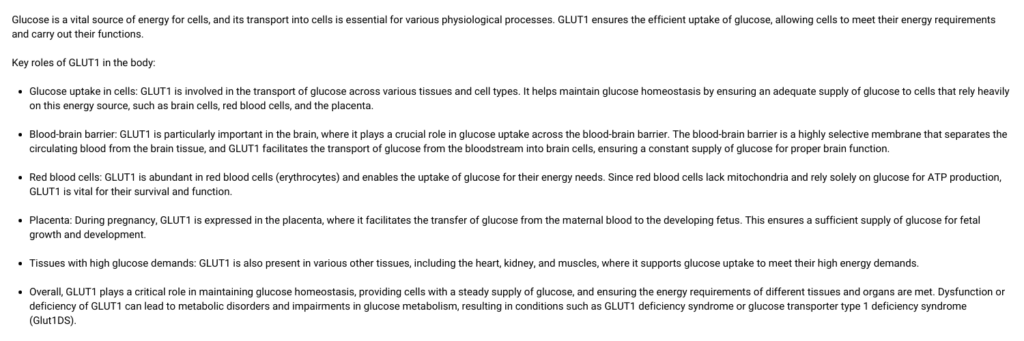
Click below to read why GLUT1 is so important to everything our bodies need to do.

Anyway, it may be that in the future he chooses to try ketamine again, maybe via infusion, to see if it really can lift him out of whatever this quicksand is that’s dragging him down constantly. All I know is, no child should have to live this way, with this much pain and internal angst, certainly, no child should be blamed for the way this manifests and the symptoms exhibited because of feeling just so low and worthless all the time. It has to be exhausting.

As with any medical treatment, it’s essential to consult with a healthcare provider to determine the potential benefits and risks of ketamine treatment for a specific individual’s circumstances. Mental health professionals can help assess whether ketamine treatment is appropriate and guide patients through the process, ensuring comprehensive care and monitoring throughout the treatment.

Subscribe for the latest updates on our Journey Back to Health. What to expect when encephalitis becomes an unwelcome visitor in your home!

We promise to never sell, barter, share or trade your information, “Namaste”.

Subscribe to Our Newsletter