
Mood Disorders: Correlation Versus Causation

Heat regulation in bipolar disorder, mood disorders and dysautonomia

Heat regulation, bipolar, mood-disorders

It’s been a hot one around here already, and apparently, we are going to hit an unprecedented heatwave this summer, or that’s what B keeps telling me anyway.  In the scorching embrace of summer, our bodies are pushed to their limits as the sun’s radiance engulfs us in its fiery glow. Amidst these oppressive conditions, we find ourselves susceptible to perilous conditions related to heat exhaustion. I began to get more interested in temperature challenges after hearing about a bipolar phenotype referred to as “Fear of Harm disorder”.  This disorder highlights heat regulation problems associated with bipolar and other mood disorders in adults and children.  I want to unpack this a little more and look at the link between extreme temperatures and the delicate balance of our physiological systems. Stay with me here as this might get complicated.

Fear of Harm hasn’t yet been universally accepted by the medical world yet (once again, can we all pause and take notice of how our medical establishments are hesitant to acknowledge anything that can’t be controlled through clear definitions and pharmaceutical regulation? Does anyone else share this observation? No, me either, just curious if you did. Anyway, off on a tangent..) Let’s discuss FOH first and the diagnostic criteria behind that diagnosis.

Unspecified Bipolar

This diagnosis is classified currently as an “unspecified Bipolar” and refers to a “Thermoregulatory Sleep Dysregulation Disorder” but commonly known as “Fear of Harm.” This is allegedly a complex and debilitating condition characterized by mood disturbances, fear of harm to self or others, thermoregulatory disturbances, sleep/wake disturbances (this has been an ongoing issue), aggression (link: he was 9 and worth a read), and significant impairment in functioning. That’s what got me interested in this proposed diagnostic criteria for Fear of Harm, clearly recognizing many of the symptoms, and offering my own as well as other possible potential causes, and the implications of the disorder on individuals’ lives.

[embeddoc url=”https://lovingthespectrum.com/wp-content/uploads/2023/07/Fear-of-Harm-Diagnostic-Criteria-Long-Form.pdf” download=”all” viewer=”browser”]

Since I learned about FOH (Fear of Harm), I’ve been actively participating in webinars and joined the only Facebook parenting group dedicated to this disorder. I’ve been immersing myself in personal stories, trying to understand how it relates to our situation.

However, today something alarming happened—my mother fainted in Walmart. To be fair, this isn’t the first time it has occurred. I’ve witnessed it happen multiple times, and as I reflect on those instances, I notice a pattern related to temperature and extreme situations. Today, it was incredibly hot and humid, and she was in an overcrowded grocery store. On other occasions, it happened during a minor medical procedure and once during a blood draw. It appears that heat and stress, trigger fainting episodes. Interestingly, my sister seems to experience the same issue.

Given that B has consistently shown distress and discomfort in hot temperatures throughout his life, often excessively sweating, it seems worthwhile to explore whether there is a connection to FOH.

Why this makes sense:

Since he was 8 months old, he has been plagued with an inability to sleep. We learned quickly to not put a blanket over him as we went to bed. Lately, he has been articulating his complaints of heat at night and then being too cold in the mornings. He does live in a camper so I was attributing a lot of complaining to that. Anyway, fuel for my ADHD, I am constantly ruminating about these things and wondering how it all fits together. More to the point, what can we do about it? We had settled pretty much on a diagnosis of dysautonomia for him and vasovagal syncope for mother, but is it really that simple? Does heat regulation really impact bipolar and other mood disorders?

So here I am (as I often do here) unraveling my thoughts around the multifaceted consequences of temperature dysregulation on our bodies.

What happens when we get too hot?:

    1. The Role of Thermoregulation: At the heart of our body’s defense against thermal stress lies the remarkable mechanism of thermoregulation. Our body tirelessly strives to maintain an internal temperature within a narrow range, allowing vital biochemical processes to function optimally. When exposed to excessive heat, this delicate balance is disrupted, giving rise to a cascade of physiological responses.
    2. Impact on Cardiovascular System: As temperatures soar, our cardiovascular system leaps into action, attempting to restore equilibrium. The body responds by diverting blood from vital organs to the skin’s surface, facilitating heat dissipation through sweat. This redistribution of blood can strain the heart, leading to increased heart rate (B regularly hits 150) and increased blood pressure. Although in my mother’s case, it seems more like a fast reduction in blood pressure. Regardless, the resultant cardiovascular stress may trigger symptoms like dizziness, palpitations, and even fainting.
    3. Altered Fluid and Electrolyte Balance: With perspiration being the body’s primary cooling mechanism, the loss of fluids and electrolytes becomes a critical concern. Heat exhaustion disrupts the delicate balance of sodium, potassium, and other essential minerals within our cells. Electrolyte imbalances can impede nerve function, muscle contractions, and cellular communication, causing fatigue, weakness, and potentially life-threatening complications. Our bodies run on electricity. “The elements in our bodies, like sodium, potassium, calcium, and magnesium, have a specific electrical charge. Almost all of our cells can use these charged elements, called ions, to generate electricity.” University of Maryland Graduate School, Amber Plante  Our whole family takes Vitassium Capsules to keep up with our electrolyte needs (if you have dysautonomia and rely on electrolytes give them a call, they offer discounted pricing for those of us with higher needs) –  Electrolytes we take daily: Vitassium Daily Salt Pills for Dysautonomia Management.
    4. Disrupted Central Nervous System: Temperature dysregulation profoundly affects the central nervous system, which coordinates vital bodily functions. Elevated temperatures may impair cognitive abilities, memory, and attention span, making it difficult to concentrate or make sound decisions. Additionally, irritability, confusion, and altered behavior may ensue, indicating the brain’s struggle to cope with the excessive heat. With that in mind, I bought him a cooling blanket to see if it helped any. He would give it 3 stars and said it does help but he still struggles even with the air-conditioning at full blast. Everlasting Comfort Cooling Blanket for Hot Sleepers – Dual Sided Bamboo Summer Blanket Reduces Body Temp in Under 5 Mins
    5. Gastrointestinal Challenges: The gastrointestinal system, responsible for digestion and absorption, can also suffer the consequences of heat exhaustion. Elevated temperatures can lead to decreased blood flow to the digestive organs, impairing their functionality. This may result in nausea, vomiting, and diarrhea, further exacerbating fluid and electrolyte imbalances.
    6. Musculoskeletal Strain: As the body grapples with heat-induced stress, the musculoskeletal system is not spared. Muscles, tendons, and ligaments may experience cramping, spasms, or even heat-related injuries. Dehydration and electrolyte imbalances can compromise muscle performance and increase the risk of sprains, strains, or heat-related muscle damage. This is why I personally continue with the Vitassium Electrolytes – I often have spasms in my arms and legs while I sleep. B always has a bad back, the AMAZON list of back stretchers and pain relievers is plentiful. One day I may list them all in a post but this is already longer than I wanted.

[embeddoc url=”https://lovingthespectrum.com/wp-content/uploads/2023/07/DYSAUTONOMIA-and-syncope.docx” download=”logged” viewer=”microsoft”]

Now, if you are still with me, I am assuming that we have a basic grasp of Dysautonomia, Vasovagal Syncope, and Thermoregulation dysfunction and their potential correlation with similar fight-flight-freeze symptoms, and we are left with important questions: Why does this happen? and Who else is pondering the same? How many of these symptoms overlap, and who determines clarification? I actually know the answer to that last one so consider that rhetorical.

Personally, I find it hard to believe that mental illnesses, mood disruptions, anger, frustration, depression, and other related disorders are simply random occurrences. There was a major controversy last year when it was revealed that serotonin may not play the role in depression that we once thought. This revelation makes sense to me, especially considering the high levels of dopamine and serotonin found in B’s spinal fluid during spinal taps. However, we still don’t have clear answers about the reasons behind this or the potential consequences. Nonetheless, it seems that B’s depression doesn’t align with the conventional understanding of low serotonin levels, or at least that’s my assumption based on the information we currently have available.

Then there is still Bartonella, GLUT1, and NASH, etc., etc., etc. which begs the question, “Which came first – the chicken or the egg? The bipolar/ mood disorder or the heat dysregulation?”

This psychology today article does align more with my thoughts about depression and other mood disorders and it’s worth reading in its entirety but to highlight:

  • Serotonin may not explain depression, but research on other brain pathways may provide answers.
  • The wiring and rewiring of our brains (neuroplasticity) is influenced by our lifestyle and may affect depression.
  • Our inflammatory state is affected by things like diet quality and sleep quantity, and has been linked to depression.
  • The gut-brain connection and our hormonal state are influenced by lifestyle choices, and are connected to brain health and depression

How can we find more answers when it seems like so few people are looking outside of what we already think we know? I don’t think I am the only one either (have you been on Reddit lately?). Anyway, I also saw this Twitter thread that someone had posted to Facebook and read with interest. Is it finally becoming time for psychology and mental health to focus on triggers not just symptoms?
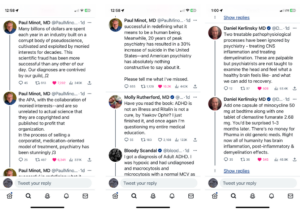
So, is there a link between heat, bipolar, mood, and nervous system dysregulation, Smart money says yes, but solutions? In the relentless battle against the sweltering heat, our bodies valiantly attempt to maintain equilibrium. However, when pushed beyond their limits, the consequences of temperature dysregulation may be more than we realize beyond heat exhaustion. Heat exhaustion may just manifest as a formidable adversary, disrupting the intricate harmony of our physiology.

Maybe the best we can expect is to understand the multifaceted impact of heat exhaustion and empower ourselves to take proactive measures. Can we address heat regulation and positively impact bipolar, and other mood disorders by staying hydrated, seeking shade, wearing appropriate clothing, avoiding excessive physical exertion in high temperatures, and safeguarding our mental health? There is a webinar on the Children’s Mental Health Resource Center’s website  coming July:

  • July 2023: Cooling Strategies & Cooling Plans (register)
    • Cool, cool, cooling for the hot, hot, summer. Families and practitioners alike, come learn about how to use simple at-home cooling strategies to manage Fear of Harm symptoms all summer long. We’ll go over how to build a plan to integrate these thermoregulation techniques into daily life. Each goes a long way to reducing overheating and making sleep, moods, and all of daily life more manageable.

CMHRC hosts monthly informational webinars on the 3rd Wednesday of each month, from 7:30-8:30 pm Eastern time via Zoom. These events are free and open to the public and may offer more ideas, strategies, and solutions for those of us who need them.

Drop your comments below, help me out and follow me on social media, and don’t forget to read my Amazon affiliate disclaimer:

FOLLOW INSTAGRAM, FACEBOOKPINTEREST & YouTube

Disclosure: This blog post contains affiliate links from Amazon.com. As an Amazon Associate, I earn from qualifying purchases. This means that if you make a purchase through these links, I may earn a small commission at no additional cost to you. I only recommend products and services that I personally use or believe will be beneficial to my readers. Your support through these purchases helps me to continue providing valuable content on Loving The Spectrum, rest assured, I still have to work a day job :D. Thank you for your support!

Food in America

Foods Banned in Europe but Readily Available in America:

Examining Regulatory Differences

Many moons ago, some of the very first interventions we tried were dietary. Feingold diet, gluten-free, dairy-free, corn free, and on and on and on until I monitored every single thing I fed my kids for dyes, chemicals, and toxicities. It was exhausting. They began to be more and more annoyed with me – even though even they can tell – when they eat certain foods their mood or behavior deteriorates.

Anyway, I was back at my doctor this morning giving 8 vials of blood for my yearly checkup and we started chatting about how little has changed in the 19 years I have been doing this. Food is still a toxic blast of dyes, chemicals, preservatives, and other nasty products except now, I have zero control over what they eat anymore. Just for fun, I decided to go look and see what, if anything, had changed on this front…. and while I find people less critical of my “weird” ideas, here is what I found.

The regulation of food products is a crucial aspect of ensuring public health and safety. Different countries have their own set of standards and regulations governing the production, sale, and consumption of food items. In the case of Europe and the United States, there are notable differences in the approaches taken toward certain food additives and ingredients.

This article delves into the topic of foods banned in Europe but available in America, exploring the regulatory disparities that contribute to this divergence.

  1. Artificial Food Colors

Artificial food colors have long been a contentious topic, with some studies suggesting a potential link between their consumption and adverse health effects, particularly in children. In Europe, several artificial food colors, including Yellow 5, Yellow 6, Red 40, and Blue 1, require a warning label or are completely banned due to safety concerns. In contrast, these same color additives are widely used in various food products sold in the United States. Red #40 and Yellow #5 are particularly hard for my two.

  1. Genetically Modified Organisms (GMOs)

Genetically modified organisms, or GMOs, have been a subject of intense debate worldwide. European countries have implemented stringent regulations regarding the cultivation and importation of GMO crops. Many European countries have banned or restricted the use of GMOs due to concerns related to environmental impact, potential health risks, and consumer choice. In the United States, however, GMO crops are prevalent, and their products are commonly found in processed foods on supermarket shelves.

  1. Artificial Sweeteners

Europe has taken a cautious approach towards the use of certain artificial sweeteners. For instance, aspartame, commonly found in diet sodas, has faced scrutiny due to concerns about its potential links to various health issues. While the European Food Safety Authority has declared aspartame safe for consumption within the recommended limits, certain European countries have banned or restricted its use in specific products. In contrast, aspartame and other artificial sweeteners, such as sucralose and saccharin, continue to be widely used in a range of products in the United States. While there are dozens of articles claiming health hits with these sweeteners, the general conclusion is, it’s not that bad, BUT FINALLY, recent reports are documenting how truly toxic this product is. These products have no reason to be in our food. Splenda damages DNA

  1. Antibiotics in Animal Feed

The use of antibiotics in animal feed has raised concerns over the development of antibiotic resistance and its potential impact on human health. The European Union has implemented strict regulations to limit the use of antibiotics in animal agriculture, banning the use of growth-promoting antibiotics and restricting the therapeutic use of antibiotics to treat sick animals. In the United States, while some measures have been taken to reduce antibiotic use, it remains more prevalent in animal feed and agriculture practices.

  1. Hormone-treated Beef and Dairy Products

Europe has banned the importation and sale of hormone-treated beef and dairy products due to concerns about the potential risks posed to human health. In the United States, however, hormone use in cattle is permitted, and hormone-treated beef is commonly sold. This regulatory difference has led to trade disputes between the two regions, as Europe upholds its ban on hormone-treated beef imports from the United States.

Conclusions to be had from the above:

The differing regulations surrounding food additives and ingredients between Europe and the United States have led to a situation where certain food products banned in Europe continue to be available for sale in America. These regulatory disparities are primarily driven by varying approaches to risk assessment, consumer protection, and public health priorities. No one who can actually do anything about this seems to be sounding the alarm. Our children are overweight, sad, anxious, angry, unhealthy, and trending toward record levels of diabetes.  It is important for consumers to be aware of these differences and make informed choices about the food they consume. As the global food trade continues to evolve, there is an ongoing need for harmonization and a collaborative effort to ensure the safety and quality of food products across borders and dammit we deserve better than this.

Mental Health in America

MENTAL HEALTH in America

(and probably the rest of the world… my perspective)

This week another mass shooting in a school by a child (almost adult) whose story is not yet fully known but already presumed mentally ill. The “he was different” conversations and the words “adoption, and fetal alcohol syndrome” have already been bounced around. People want answers – they need to rationalize why. If we can see this person as an anomaly, if we can blame it on mental illness then we can pretend this is beyond the realm of a “typical” person and move on knowing it wasn’t our fault.

First, we must pause, we need to remember all the children and adults who have died from this violent act. We must remember and pray for those parents and spouses who will never see their loved ones again, all those hopes and bright futures washed away in a second. The sadness surrounding that for me is palpable. I can’t fathom the depths those families will reach while going through the predictable stages of grief. I think it would be my nature to remain stuck in anger and disbelief and so I pray these families are able to move beyond those basic emotions, simply for their own healing going forward.

Hearing and reading reports of the tragedy, I am struck by the words describing the children who lost their lives. So much to be proud of, it makes me think “those characteristics are what I want in my child”. The words all describe hard-working, productive, motivated children. That’s how I would want my child to be described if someone was talking about them. “Kind, enlightened, joyful, hard-working” all positive adjectives to describe the children who are gone. Bright stars taken by someone who had no control over his emotions, someone who was the total opposite of those he killed.

The words describing the shooter are all antonyms “weird, odd, loner, obsessed” words that help us rationalize and comprehend something this heinous? We know that the police were often called to his house as a teenager and we also know this boy “lost his mother to pneumonia in November last year, and his father many years ago.” These are not EXCUSES, there are just no excuses for what he did yesterday. His lawyer describes him as a broken, sad human being, it is a description that may make sense to us but being sad and depressed does not explain why he did what he did. At best, it gives us a little more insight but what he did, most of us can only imagine in our nightmares. What possessed him to act out his sadness this way? That’s the question that scares me more than any I could ever ask. What drives a depressed teenager to commit mass murder? Is it driven by anger? Is it an obsession? Is he delusional? I am trying hard to understand because I want to know in my heart that not just any depressed teenager is capable of acting this same situation out over and over again?

So I also wonder – did he have a mental health condition and was he being treated? Perhaps if he hadn’t lost his mother, if he wasn’t adopted, if he had no access to guns, or a combination of any of these things, would this have happened? If he had gotten more mental health counseling would this have happened? If he had additional support would this have happened? Did the school have more responsibility to think ahead about what might happen? Of course, there are no answers to these questions now, none – but it won’t stop me wondering and worrying about my own children and their plight. For this boy, we cannot go back and rectify what he did. There is nothing to be done, 17 bright souls are gone, one angry shooter is left and somehow we have to make sense of that disparity.

Now we must focus on what we can do in the future so this doesn’t happen again or is this situation so complicated it’s difficult to think of or implement any “good” solutions?

Anyone who has a child struggling with their mental health knows that access to care in this country is incredibly difficult to find, long waits, no providers, differing theories, scary side effects to pharmaceuticals, no beds, mistakes, ambivalence, it feels like so many barriers. This may be true in other countries also “In the United States, for example, only about a third of people with severe depression take an antidepressant. In South Korea, where antidepressant use is the lowest among the countries analyzed, the suicide rate is the highest in the developed world.” Business Insider 

Not seeking help which ends in suicide is terribly sad, but suicide is very different from committing mass murder!

So perhaps struggling with an undiagnosed mental health condition AND gun availability in the US is to blame for our current woes? But where do these kids get their guns from? It seems a gun is just a tool for a job, the bigger issue is why these kids want these kinds of weapons and what their mindset is for acquiring them, if they couldn’t find a gun would they then source a different weapon or would they just not go ahead with their plans? 

When you have a child with challenging behavior, as a parent you are obligated to solve the problem. Of course, this makes total sense, but if you have spent any time on my blog then you know “trying” is only half the battle (our children are NOT homicidal btw which seems prudent to clarify!), accessing effective treatments are a whole other challenge, we have spent many years creatively finding solutions to our children’s medical needs and I assume the parents of at least some of the kids who have committed violent acts, did that too. Did the people they sought out ever think that seething anger and retaliation was a driving force in these kid’s minds? Did the parents see this in their kids? Did no one recognize it as a significant threat at the time? 

When you have a child with a challenge of any sort, you the parent accept the responsibility to help your child through that challenge, be it cancer, diabetes, loss of a pet, ownership of an iguana, all of it (rightly so) falls to their parent(s). It’s what we signed up for but consider this, with many of those challenges, your community is apt to rally support in your favor, “awww, Larry is undergoing chemo, I am so sorry, please let the community come together and organize your dinners” or “Oh gosh, we heard Emily lost her precious dog, we are so sorry for your loss, please come to play at our house!” If your child has a mental health disorder, especially one that manifests in atypical behavior (which many do), then not so many folks are eager to empathize (unless they have been there themselves). Believe me, no one is excited to have your child over for a playdate when they curse like a sailor or grab other children’s toys to hit them with, so not only will you feel isolated, you are often the one who gets the blame for the out of control behaviors your child exhibits. You may be told “you are so easy on him” or “oh gosh, if that were my child I would…” and my personal favorite “that kid needs a good whooping.” Super helpful advice for desperate, probably already tried that, exhausted parents. If you suspect your child has violent tendencies, who do you confide in? What if your child refuses to talk about it, or is really good at convincing others about their lack of intent? Can you commit a person if they verbalize a threat or if you are concerned their anger may become a threat? I think this boy was already known as having intent but what expectations for commital do we have if no real action has occurred? 

In this world you, YOU the parent are the one to resolve the issue but it is possible you might actually fail because maybe there is no fixing “this”, what if you never find an answer, what if you are unable to fix your child’s behaviors. What if there are no resources, no pills, no counselor to fix it, what then? What if every last thing you try, still fails? What if you know these violent thoughts exist in your child, but no one can help, no one is listening, no one follows your journey?

Some people will actually decide that perhaps this mental health thing you talk about is not even “real.” Perhaps it’s you, perhaps you are the problem. What then?

In almost any society if you are able to control your child, you are seen as a good parent. Congratulations, you are great at doing your job. Except we need to remember, some children have mental health challenges and some children don’t. The odds are greater that some children are predisposed to being thoughtful, rational, helpful, cheery, and hard-working in school while some children are going to have a mental health challenge or delay which makes those things harder for them to pull off, and truthfully it’s kinda random. Many parents whose children naturally succeed believe they are the reason their children perform as the productive, engaging members of society we desire them to be, and on some level they are right. Their children are mentally capable of performing as others in society, they are able to learn and follow the rules as they see them played out by others, these lessons are hardwired through consistent modeling by parents and their peers. But what of those who are unable to give that control to their children? What happens when a child is unable to follow the social cues, or cannot make sense of the lessons being modeled around them, what becomes of the child who seems incapable of being in social situations appropriately, is it that the family has failed, or is it something bigger, should we not be thinking that perhaps their biology has failed?

I recently read this about Adam Lanza and while this cites many factors, ultimately the blame for his attack is laid back at the feet of his parents.

What of Klebold and Harris, the most infamous school shooters in American history, mentally ill or fueled by something more sinister?  Fuselier and Ochberg say that if you want to understand “the killers,” quit asking what drove them. Eric Harris and Dylan Klebold were radically different individuals, with vastly different motives and opposite mental conditions. Klebold is easier to comprehend, a more familiar type. He was hotheaded but depressive and suicidal. He blamed himself for his problems.

Harris is the challenge. He was sweet-faced and well-spoken. Adults and even some other kids described him as “nice.” But Harris was cold, calculating, and homicidal. “Klebold was hurting inside while Harris wanted to hurt people,” Fuselier says. Harris was not merely a troubled kid, the psychiatrists say, he was a psychopath.” and if you want to understand this dynamic deeper – use the link to read the entire article. It is enlightening, not all kids who appear sweet, kind and empathetic are, some can just play the game well. Even Ted Bundy was thought to be “an introvert and very timid by behavior as a child..” although he also had some other more sinister traits.

Could Klebold and Harris have been stopped? Harris, probably not, his act was so refined and his calculation very determined, adults trusted him, they saw him as a “great kid” he knew the game. He knew that people thought well of him and so when he wanted to do what he did, his outward appearance would not have indicated to his parents (or a mental health professional) any clues to what he was contemplating. Klebold was different, his issues more obvious and yes, perhaps his parents could have gotten him more help than they did, but jumping from managing a kid with depression to the idea that they will be a mass shooter is a really mind-bending feat and I doubt any parent believes this possible of their child.

We can also ask, is this a new phenomenon? Have we simply managed to surpass genetics and biology to breed a new level of psychopath and perhaps this is why school shootings now seem to be more prevalent? But from what I have found it seems probably not, before his infamous 1969 massacre, Charles Mason had long been a target of conversation on violence: “Based on fresh testimony … Things he did in elementary school eerily foreshadowed his bloody deeds a quarter-century later.” But no one thought he would become a mass murderer, or if they did, it seems they had no idea what to do about it.

As I sit here trying to make sense of another senseless shooting and wondering where I need to move to get away from it all, it makes me wonder how many other parents are also searching, digesting, dissecting everything they are reading or hearing – some perhaps even wondering if their child is capable of this type of mass atrocity? What is society missing, how do we stop this, what can we do for our kids to make them mentally healthy? Because having active shooter drills and armed police in school is not helping anyone’s anxiety over this, not one little bit. The reality is, many of our kids are struggling with their mental health but it does not make them mass murders or potential killers. … as I was writing this – this article popped up in my Google search

The New York Times,U.S., There Is No Clear Profile of an American Mass Shooter By Daniel Victor published FEB. 17, 2018

Mental illness Experts say the people willing to kill strangers don’t all have a certain mental illness, and in many cases never sought professional help. They are often paranoid, resentful or narcissistic, but not always to the extent that they had been found to have a disorder.

Dr. Michael Stone, a New York forensic psychiatrist, found that about half of the 200 mass murderers he had studied had no clear evidence of mental illness before the attacks. About a quarter displayed signs of depression and psychopathy. It’s not clear that access to mental health care would have prevented violence. Elliot O. Rodger saw several therapists before he killed six people in Isla Vista, Calif., in May 2014. His therapists disagreed on the nature of his mental disorders. Adam Lanza, who killed 20 children and six adults at Sandy Hook Elementary School in 2012, had received years of counseling from psychiatrists and psychologists. Though he had Asperger’s syndrome, a mild form of autism that does not suggest violent behavior, he had never been found to have any mental illness that would.”

(If you want to read more about Mass Murders in the US, you can find links and information here on Wikipedia.)

Ultimately you cannot know what you cannot know and hindsight is just that, it gives us a reason to pause, reflect and see the error of our decisions but only after the fact.

Do we need better access to mental health care in the US, yes, as a parent I believe we do but I am not sure it will stop these kinds of atrocities and that’s terrifying to contemplate but there are enough children who do need (and want) help to navigate the situation they find themselves in, and for that reason alone, access should be easier to find.

Consider: (NAMI) “Approximately 1 in 5 youth aged 13–18 (21.4%) experiences a severe mental disorder at some point during their life. For children aged 8–15, the estimate is 13%.”

Having had a need in the past to call around trying to find services (covered and not covered) and not getting called back, or not being eligible for a program, or facilities not taking new patients, (or not being able to guarantee the safety of a child that the option for care is so scary a parent sees it as no choice at all), I believe we do. Management of mental health is difficult to find, especially if there is a desire for more than just medication management.

However, I also understand there isn’t just one thing we can do that will turn all this around, and it’s highly unlikely that one thing alone caused this homicidal rage to happen with this boy. It also seems more complicated than most doctors or therapists can understand because the suicide rates keep climbing, and school shootings keep happening and amongst my FACEBOOK “friends” kids seem to be getting sicker (mentally as well as physically). Maybe it is all the above or none of it, maybe it’s histamine, or mast cells or cytokine storms, or it’s “just” depression or anxiety or bipolar, or it’s autoimmune, or it’s access to guns, or it’s lack of community, or it’s a prevalence of personality disorders, or perhaps it’s GMO’s or plain old jealousy, perhaps America really is imploding, society turning on itself grabbing whatever we can while the whole country goes down in flames.

Access to care is only part of the problem, perhaps we also need to feel part of a community. A shared responsibility to help those in our communities who are struggling, not to judge, but to support. The kids with no friends, the kids who seem to struggle more than their peers, those who don’t fit in, those kids who other kids call “the weird kids, the oddballs, the losers”. Maybe as adults, we can reach out more to those parents, the ones who seem isolated, those who we know are struggling with children and health; take them a meal, maybe by allowing everyone the chance to be a valued member of the neighborhood we avert a crisis. Of course, conversely not everyone wants help, neighbors prying into our business, more judgment, advice that is way too simplistic for our situation. It can be a minefield but it should not stop us trying. I am an idealist at heart, every person is valued, every problem has a solution, work hard, be honest, be open and the world won’t hurt you, but then again, I have been told many times I am naive…

Below are some articles for further exploration but not suggestive of cause and effect by any means. Encephalitis, autoimmune, vaccine injury, misdirected autoimmune responses, Lyme, mold, untreated bacterial or viral components all could be causing varying levels of neurological dysfunction and in an ideal world we would move from “mental health diagnoses” to seeking the cause or trigger of neurological disruption and look for opportunities to resolve rather than manage mental health disorders, although this may just be wishful thinking or naivety on my part of course 🙂

*addition: Charlotte-Mecklenburg, as has already been established, finding and accessing treatment can be difficult at best. Someone texted me this article this morning. This man may have lived if there had been a coordinated plan of care and someone had helped him utilize community resources. We cannot be scared of people with a mental health diagnoses but we absolutely should know how to help people find managed care for their illness. If we adopt the thinking that “mentally ill people are dangerous” we are on a very slippery slope. When 1:4 adults are struggling with mental health challenges it would be asinine to think of every one of them as being a danger to our community. Where does that end? Are depressed people dangerous? Angry people? Prescription drug users? We could drive people further away from reaching out. Profiling is never a good idea, it generally ends in messy court cases and more difficult laws. When someone is in crisis, call a CIT (crisis intervention team) just like you would call a hostage negotiator or SWAT in other situations, allow the trained professionals to assess the situation calmly and get that person the help they need.

Mental Illness... refers collectively to all diagnosable mental disorders — health conditions involving significant changes in thinking, emotion and/or behavior distress and/or problems functioning in social, work or family activities.

Anger: I am personally more scared of someone with anger issues than someone with a mental health diagnosis. No one mentions “angry people” when discussing gun controls – we should be asking why are angry people allowed to purchase high powered weapons or even handguns but how would we even measure that? Where do we draw that line? “The attribution of violent crime to people diagnosed with mental illness is increasing stigmatization of the mentally ill while virtually no effort is being made to address the much broader cultural problem of anger management. This broader problem encompasses not just mass murders but violence toward children and spouses, rape, road rage, assault, and violent robberies. We are a culture awash in anger.” Anger Causes Violence

“1 in 6 Americans Takes a Psychiatric Drug. Antidepressants were most common, followed by anxiety relievers and antipsychotics” this was up from 2010 “An earlier government report, from 2011, found that just over one in 10 adults reported taking prescription drugs for “problems with emotions, nerves or mental health,” the authors wrote in a research letter published today (Dec. 12) in the journal JAMA Internal Medicine.” Scientific America article By Sara G. Miller December 13, 2016.

Gun control and challenges: Follow the money. “Most Americans support stronger gun laws — laws that would reduce deaths. But Republicans in Congress stand in the way. They fear alienating their primary voters and the National Rifle Association. Below are the top 10 career recipients of N.R.A. funding – through donations or spending to benefit the candidate – among both current House and Senate members, along with their statements about the Las Vegas massacre. These representatives have a lot to say about it. All the while, they refuse to do anything to avoid the next massacre.”

Youth Vaccination Rates by Country “There are countries where failure to take your child for immunization against certain diseases could lead to prosecution by law.” Do these countries have more or less types of these violent crimes? What are their autism rates? Is it vaccine injury? Is there even any correlation?

Autism Rates Across the Developed World “Most of us Americans are aware of the  autism rate among US children, but have you ever wondered how our number compares against the world’s leading nations?

Genetically Modified Crops – Statistics & Facts “Genetically-modified crops, also known as GM crops, are plants used in agriculture which have been modified by using genetic engineering methods. The genetic modifications are done in order to create crop varieties with desirable traits, such as tolerance against herbicides and specific pests.” Do other countries fare better or worse than the US population as far as violent crime?

Crime by Country. Is it enough to just look at our own society? How do our crime rates compare with other countries?

Healthcare by Country: How does the US compare to other countries?

Is diet related? “ Dietary requirements for choline are high during pregnancy because of its several uses, including membrane biosynthesis, one-carbon metabolism, and cholinergic neurotransmission.” We know diet can affect our mental health, think of the Feingold program successes or this American Psychological Association article highlighting “…study of 120 children and adolescents, consuming fast food, sugar and soft drinks was associated with a higher prevalence of diagnosed attention-deficit/hyperactivity disorder (ADHD) (Pediatrics, Vol. 139, No. 2, 2017)” demonstrating a link between food and mental health.

A Viral component(172852)? “The hypothesis that viruses or other infectious agents may cause schizophrenia or bipolar disorder dates to the 19th century but has recently been revived. It could explain many clinical, genetic, and epidemiologic aspects of these diseases, including the winter-spring birth seasonality, regional differences, urban birth, household crowding, having an older sibling, and prenatal exposure to influenza as risk factors.” Or here Viral infection, inflammation and schizophrenia Perhaps it is a variety of factorsThe microbiome, immunity, and schizophrenia and bipolar disorder


How Many Times…

How many times …

I had reason tonight to go back over a series of blog posts about a program we had completed in 2011. As I was reading through the Brain Balance blog roll I realized we had actually finished that program with hope in our heart and a skip in our step. Okay perhaps we were not quite that enamored but certainly, we felt like we were in a really good place. When I wrote any of those earlier blog posts, I had no idea that those brief periods of respite (that we celebrated so much) would last a few months and then cycle right back around again. In reality, by the end of 2013, we had cycled into a far worse place than we had ever been before. If you have read this blog from the beginning you will know that that was quite an achievement.

By September 2013, a truly awful milestone had been reached. So even though we had enjoyed slightly better behavior, slightly less stress, slightly calmer days and nights, and definitely more cognitive ability during those 12-18 months after the BB program, it didn’t last, because in our world recovery has never lasted.

Why even write the blog? I don’t make money doing this. I lose sleep because I only find time to do this late, late, late at night. I don’t have a million subscribers or even a YouTube channel. I often ask myself what’s the point, why do I keep writing this? Living in the chaos that stretched into years, I knew I would forget the nuances, the little things, the truly chaotic nature of what was going on and when? Although it probably would be better for us all if I had just forgotten a lot of what happened and moved on. Initially, I truly hoped someone would read what I was writing and say “I wanted to contact you and let you know, I know what this is, I know how to help you” but as desperate as we were that sadly never happened. We spent years hoping for the cavalry and by the time I started writing this blog we were really heartbroken and lost about what was going on with our beautiful, cute, adorable son. It was only many years later it eventually occurred to us WE ARE THE CAVALRY. We have spent years on this hamster wheel, praying to get off never really knowing how but we never stopped trying. I, like millions of other parents, refused to give up. When we went from one doctor to another, from one mediocre treatment to another, we never gave up.

When I first learned that we had a spectrum disorder at 18 months, I thought to myself “well, we are not doing this, he’s going to be fine” and being who I am, I got on with the business of healing my child. I really thought, for sure by the time he was 3 we would have this thing resolved. I wasn’t worried. I had it in hand and was egotistical enough to believe that by the time he was eligible for early intervention, we wouldn’t even need it. Later, when the Easter Seals combed over paperwork the Arizona Early Intervention program had sent when we moved, I assured our caseworker that we would be done before his 3rd birthday and a place in the local school district was unnecessary. Just help us get settled I had said and we will take it from there. Yet when he started developmental pre-K on his 3rd birthday, screaming relentlessly as I left him at the school, I allowed them to placate me as they reassured he would be fine and I thought, “Okay, I am a little disappointed we didn’t get to where we needed to be already but by kindergarten, we WILL be sorted.” It turned out that kindergarten actually went pretty great. We figured we were making progress, we congratulated ourselves because what we were doing was working. A little later, when we again began having challenges, I really still had great hope. As part of that hope, we switched to a private school for 2nd grade, I thought, “HA! I had missed a part of our puzzle, I believed I had figured it out. It was the school that was the problem. I naively thought, “the new school will make it better for us all” and for a while it did. Around this same time, we had completed Brain Balance and then chose to re-enroll in another round of OT about 6 months later. It was actually going well in the small Christian school he was enrolled in.  However, we all know how this story goes and by the end of 3rd grade, we found ourselves right back to square one. It was a perfect storm of both a challenging teacher and what we now know was a defunct immune system.  These autoimmune triggers can wax and wane depending on environmental situations, bacterial exposures, viral loads and even just from the etiology of the disorder, we didn’t know this at the time. Those behaviors were actually a symptom, not a side effect of what was going on. Those behaviors controlled all of us because we never truly knew what we were really dealing with. Even though many, many, many times we allowed ourselves to believe we were on the winning side of all that was going on.

Anyway, nostalgia night, that’s really all this post is about. I have been reading back through my blog and I see how many times we truly believed we had cracked the code. Even now – as well as we are doing – I know to err on the side of caution. I know from past experience this recovery could just be a fake out, this could all be smoke and mirrors. What we have going on may just have hit a down cycle and that alone might be the reason for our calmer normality. Next week, next month, even next year we might very well be right back where we started, but until then we choose to believe the cavalry finally arrived. Ever the optimist, I am choosing to believe that this time, this is THE time we finally have it figured out.

Subscribe for the latest updates on our Journey Back to Health. What to expect when encephalitis becomes an unwelcome visitor in your home!

We promise to never sell, barter, share or trade your information, “Namaste”.

Subscribe to Our Newsletter