LovingtheSpectrum

GLUT1 SLC2A1 Gene Mutation

GLUT1 SLC2A1 Gene Mutation – Mimicking ASD

At 15 years old we finally realized that our child had a mutation on the SLC2A1 gene which resulted in a diagnosis of GLUT1 Deficiency Syndrome (GLUT1 DS). This is another allegedly rare genetic disorder that affects the brain’s ability to get enough energy from glucose, leading to a range of neurological and developmental issues. It is a de novo genetic mutation which means it wasn’t passed along from the parents, it is an “in the wild” type situation.

Psychological Challenges:

The psychological challenges associated with GLUT1 DS can vary significantly among individuals, but here are some common ones:

  • Cognitive Impairments: Many individuals with GLUT1 DS experience some degree of cognitive delay or impairments. This can include difficulties with learning, problem-solving, and performing complex tasks. For us this is memory challenges and complex instructions such as tying shoelaces or following step-by-step common functions.
  • Behavioral Problems: Behavioral issues are common and can include irritability, agitation, and in some cases, symptoms similar to those seen in autism spectrum disorders, such as repetitive behaviors and challenges with social interactions.
  • Mood Fluctuations: Emotional regulation can be a challenge. Some individuals might experience sudden mood changes, including episodes of anger, sadness, or frustration.
  • Attention Deficits: Problems with attention and concentration are common, which can affect academic performance and daily activities.
  • Speech and Language Issues: Developmental delays can affect speech and language skills, leading to challenges in communication which can be frustrating and impact social interactions.
  • Social Challenges: Due to cognitive and behavioral issues, individuals with GLUT1 DS may struggle with social skills, making it hard to form and maintain relationships.
  • Anxiety and Depression: Anxiety and depression can also occur, possibly as a direct symptom of the disorder or as a secondary effect of dealing with chronic illness and its social and cognitive impacts.
  • Motor Coordination and Movement Disorders: While primarily physical, issues like ataxia, spasticity, and dystonia can also lead to psychological stress due to limitations they place on independence and daily functioning.

HOW DO WE KNOW?:

Interestingly, as most of our journey has been, once again getting to the answer was problematic.  We had the seizure activity on EEGs noted over many years so that was our first✅. There was a mutation on the SLC2A1 gene ✅(WES testing). His IQ had gone from 129 to a supposed 86 over 10 years.  He had lack of speech as a child although he did attempt communication but language was elusive. As well as developmental, behavioral and mental health challenges that earned him a plethora of diagnoses but majorly a diagnosis of Autism Spectrum Disorder. 

At the hospital for a spinal tap, and the children’s specialist couldn’t find a vein for sedation. So we bailed, stayed another night and the following day they tried again. This time they managed to tap his vein, got him into the room and started the procedure. That was a nightmare 48 hours. We were all – once again – traumatized by incompetence. In the room finally, for his spinal tap, they forgot to take a fasting glucose blood draw as well as forgetting to note his opening and closing pressures (fairly standard when investigating challenges in neurological situations) amongst several other lab orders that had been ordered that day to confirm this as a diagnosis. Incompetence reigns it seems and it never ceases to amaze me that my kids have managed to stay alive this long with all the mainstream interventionists screwing up the way they do regularly.

We have been highly traumatized by incompetence at this point, always making a bad situation worse. (We can leave that C-PTSD dx right here).

MANAGING GLUT1:

Managing neurological challenges typically requires a multidisciplinary approach, including medical treatment, nutritional strategies like the ketogenic diet (which can help manage symptoms by providing an alternative energy source for the brain), psychological support, and educational interventions. There are a lot of appointments and medical personnel involved.

For every 1 person who is compassionate, trained, willing to listen and learn, there are 10 who are dismissive, rude, and just doing a job. This all impacts the mental health of patients and families, when our mental health is impacted, management of a condition and healing becomes even more elusive.

Getting the diagnosis:

After getting the results from our blood work, and trying in vain to get answers, I contacted the person who is known to be THE specialist in this condition. He calculated the score incorrectly and had his person tell me this wasn’t my child’s issue. I can do the math. More so, to make sure I wasn’t wrong, I can do math easily with a computer. My son’s score was indeed lower than he calculated and did indeed confirm his GLUT1 diagnosis. This was later confirmed by his neurologist. So while it was under the required marker, I think that there is other things in play that still are unknowns and contribute to further neurological challenges.

The SLC2A1 gene encodes GLUT1, and heterozygous variants of this gene can be demonstrated in most patients.Of note, CSF glucose and lactate and the CSF/blood glucose ratio can be used for diagnosis, but may be close to or within reference ranges, especially in mild cases.Since erythrocytes also use GLUT1 as the major glucose transporter, techniques that quantify the amount of GLUT1 protein on the erythrocyte surfaceor measure its transmembrane transport capacitymay be of additional diagnostic use. These techniques, however, face pre‐analytical challenges and do not provide information about the consequences of the defect on the brain. [https://www.ncbi.nlm.nih.gov/pmc/articles/PMC10091941/]

So that’s where we are. Stuck. Keto seems impossible. No supplements or medications work. The living situation is tough. The day-to-day is tough. We will keep going forward together because that’s just what we do. But why is this so hard?

Why do we do this to people? Why can the treatment teams not do their very best to be compassionate, kind, empathetic, knowledgable, and admit even that they don’t know but are willing to learn more? My guess is, that they are also busy, they have their own life challenges, their own tough situations, and an inability to keep everything going every day as well as a desire to invest more in their education when it may only benefit 1 or 2 additional patients. This is burnout at its finest.

So, here we sit. Trying, comparing, contrasting, helping, consoling, trying new methods, and searching for new theories. If you have one I am open.  It goes without saying (but I will say it anyway) that each person’s treatment plan should be tailored to their specific symptoms and needs.

Comparison Charts for Letter Disorders (ASD, NPD, BPD, OCD, ADHD, CPTSD)

Letter Disorders, Comparison Charts, Overlapping Symptoms.

I am always confused, so I made myself some comparison charts with the help of AI. If you are also confused, you may find these charts helpful. Always check with your doc; this was AI-generated with my specific questions, so yours may be different, but at least it is a place to begin. I hope it helps break down some of the overlapping confusion. So many symptoms, so many comorbidities, so much confusion. They may look the same, but read the top for clarification; some are similar and only change in the heading.

Please note the 6 types of ADHD are from
Dr. Daniel Amen’s research and not the DSM-5.

Click any image to open full size in a new tab

I set these up deliberately in different formats so I can ask my kiddo to circle what is most bothersome, but also to get a clear answer on what and which—not just a random “gonna just circle and move on” list. This helped us both understand where the significant challenges are versus those that are not so significant. There is no particular order—just the things that have been mentioned as diagnoses along the way.

Click any image to open full size in a new tab

Click any image to open full size in a new tab #FreeDownload

Psilocybin

Psilocybin and Mental Health: Navigating Therapeutic and Legal Landscapes

Psilocybin, the psychedelic compound in “magic mushrooms,” has garnered attention for its potential in mental health treatment. This naturally occurring substance is being explored for its therapeutic benefits, particularly in areas like treatment-resistant depression, anxiety in terminal illnesses, addiction, and post-traumatic stress disorder (PTSD).

Therapeutic Potential of Psilocybin

  • Treatment-Resistant Depression: Psilocybin shows promise in alleviating symptoms in individuals who have not benefited from conventional antidepressants. It has been associated with significant, lasting improvements in mood and well-being.
  • Anxiety and Terminal Illness: For those facing end-of-life distress, psilocybin can offer relief, bringing a sense of peace and enhanced quality of life.
  • Addiction Treatment: Studies suggest psilocybin may help break the cycle of addiction, including alcohol and tobacco dependence, by fostering a change in perspective and promoting introspection.
  • PTSD Relief: Psilocybin has potential benefits for PTSD sufferers, helping to process traumatic memories and reducing symptom severity.
  • Spiritual Experiences: The compound is known for inducing profound spiritual experiences, which can be transformative, enhancing a sense of connection and personal insight, and contributing to mental health recovery.

Caution and Considerations

While the therapeutic promise of psilocybin is compelling, it is crucial to approach its use with caution. Individuals with a history of psychosis, schizophrenia, or related conditions should be particularly careful, as psychedelics may exacerbate such conditions. Psilocybin therapy should only be considered under the guidance of qualified professionals in a controlled setting. Who shouldn’t take Psilocybin? It’s good to be aware of who shouldn’t take these therapies and compounds if they meet certain criteria.

Legal Landscape

The legality of psilocybin varies globally. In the United States, it remains a Schedule I substance federally, though some states and cities have moved towards decriminalization or medical use approval. In Canada, it’s permitted under special access for end-of-life care and specific medical conditions. Countries like the Netherlands, Jamaica, and Brazil have differing levels of regulation and acceptance, from legal truffles to more lenient policies on psilocybin use.

Navigating Legal and Therapeutic Pathways

For those considering psilocybin for mental health, it’s vital to stay informed about the legal status in your region and seek professional medical advice. The landscape of psychedelic therapy is evolving, and understanding both the potential benefits and legal constraints is essential for anyone exploring this option for mental health recovery.

Psilocybin offers exciting possibilities for treating various mental health conditions, but it must be approached responsibly, with awareness of legal restrictions and potential health risks. Consulting with healthcare professionals, and experienced guides, as well as staying informed about local laws are crucial steps in safely exploring the therapeutic potential of psilocybin.

All About Sauna’s

What do we need to know about saunas to be all in?

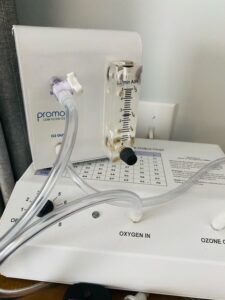
So during COVID, if you read my blog regularly, you know I got so sick, so sick I invested in an ozone generator. I had been using a HOCATT at my chiropractors and making great progress and I wanted to continue that at home.

Where do you start?

At the time, before I plucked up the courage to purchase my beloved all-in-one far infrared sauna, and before I purchased a MiHigh Portable Sauna Blanker, I decided to check out a portable sauna cupboard. This was my dipping my toe into the wonderful world of saunas, it was relatively inexpensive and it seemed easy to store when not in use.

Initially, after much contemplation about EMFs and plastic/non-natural product toxicity especially when using heat, I purchased this OPPSDECOR Portable Steam Sauna Spa Personal Sauna Tent for Relaxation at Home,  OPPSDECOR Portable Steam Sauna Spa Personal Sauna Tent) One-Person Indoor Sauna with Remote Control, Foldable Chair, and Timer.

I actually was quite happy with this portable sauna and used it several times before deciding to move on to the Portable Sauna Blanket. This was a great inexpensive way to get into a sauna and figure out if I actually liked it. Ultimately. what I discovered was that I liked a dry sauna more than the steam sauna, and that’s what moved me on but I keep going back to this one to consider modifying it for ozone use. I honestly would love to buy one of the hardshell sauna units but as I have limited space and I already own several different versions of saunas I think I have to be ok with where we are at. Is there a limit to how many saunas one can own?

So I have been searching for different products to modify for use with ozone, if I decide the one above won’t suffice, and I found a good alternative on Amazon. It is a little cheaper than the one I purchased and is more of a closed system which might be beneficial. However if I were doing ozone, I would want to have a very efficient mask or better, my head to be out like the above sauna tent. But this Smartmak Portable sauna is a great alternative. Smatmak Portable Steam Sauna Spa Personal Sauna Tent Sauna Steamer (Smartmak Sauna Steamer) and Chair


Why do we even need a sauna?

As a health supplement advocate and wellness enthusiast, I’ve always been on the lookout for effective ways to enhance my overall well-being. That’s what led me to purchase a sauna, and I couldn’t be happier with my decision. Here are the reasons why I personally chose to invest in this addition to my daily routine.

  1. Detoxification and Cleansing: Saunas are renowned for their ability to help the body rid itself of toxins through sweat. This natural detoxification process not only leaves me feeling refreshed but also promotes better health.
  2. Stress Relief: In the fast-paced world we live in, stress can take a toll on our mental and physical health. Stepping into my sauna allows me to unwind and de-stress, leaving me with a sense of calm and tranquility.
  3. Enhanced Skin Health: Sauna sessions boost blood circulation, which results in a healthy glow. My skin feels rejuvenated, and I’ve noticed a significant improvement in its appearance. I also use a dry exfoliating brush to keep my lymph moving.
  4. Weight Management: For those looking to manage their weight, saunas can help. The increased heart rate and calorie burn during a session contribute to a healthier weight management strategy.
  5. Immune System Support: As a health supplement advocate, I understand the importance of a strong immune system. Regular sauna use is shown to bolster the body’s natural defenses against illnesses.
  6. Convenience at Home: Having a sauna option at home is incredibly convenient. I can enjoy all these benefits without the need to schedule spa appointments, making it a practical and time-saving choice.

Really, my sauna routine has become an integral part of my wellness routine, helping me achieve my health and wellness goals. It’s a valuable investment for anyone looking to prioritize their well-being. Whether you’re a health-conscious individual, a busy professional, or simply someone seeking relaxation, a sauna can be a super helpful addition to your journey to a healthier, happier life.

Disclosure: This blog post contains affiliate links from Amazon.com. As an Amazon Associate, I earn from qualifying purchases. This means that if you make a purchase through these links, I may earn a small commission at no additional cost to you. I only recommend products and services that I personally use or believe will be beneficial to my readers. Your support through these purchases helps me to continue providing valuable content on Loving The Spectrum, rest assured, I still have to work a day job :D. Thank you for your support!

Self Soothing, a teachable skill.

HOW TO HELP A CHILD BEGIN TO SELF-SOOTHE

Helping a child learn to self-soothe is an important skill for their emotional development.

Teach Calming Techniques:

  • Teach the child age-appropriate techniques like taking deep breaths, counting to ten, or using a calming phrase or word.
  • Provide Comfort Objects: A soft toy, a security blanket, or a special stuffed animal can be comforting for a child. Encourage the child to use these items when they feel upset.
  • Create a Safe Space: Set up a designated calm and safe area where the child can go when they need to soothe themselves. Ensure it’s a quiet, comfortable, and inviting space.
  • Positive Reinforcement: Praise and reinforce the child’s efforts when they successfully self-soothe. This positive feedback encourages them to continue these behaviors.
  • Encourage Independence: Give the child opportunities to make choices and solve small problems on their own. This can boost their confidence in self-soothing.
  • Establish a Consistent Bedtime Routine: A consistent bedtime routine helps children relax and prepare for sleep. It might include activities like reading a book, taking a warm bath, or listening to calming music.
  • Teach Mindfulness and Relaxation Techniques: Depending on the child’s age, you can introduce simple mindfulness exercises or progressive muscle relaxation techniques.
  • Model Self-Soothing: Children often learn by watching adults. If they see you using healthy ways to manage stress or frustration, they may emulate those behaviors.
  • Be Patient and Supportive: Recognize that self-soothing is a skill that develops over time. Be patient and offer support when the child needs it.
  • Consistent Boundaries: Set clear and consistent boundaries, so the child knows what is expected of them. This alone can reduce anxiety and help them feel secure.

Helping a child learn to self-soothe is a gradual process, and the strategies you use may need to be adjusted based on the child’s age and individual needs. It’s important to create a supportive and nurturing environment for them to develop these skills and remember that using them will ebb and flow, in the moment it may be difficult for the child to access these skills but the more they practice the more they can use them from memory.

Here are ten additional techniques that may be useful for parents or caregivers dealing with children:

  • Stay Calm Yourself: It’s essential to remain composed and not get agitated. Children can often pick up on your emotions.
  • Identify the Cause: Try to figure out why the child is upset. Are they hungry, tired, in pain, or just needing attention?
  • Provide Comfort: While offering a comforting item like a favorite toy, blanket, or stuffed animal, you can say “Sometimes we all need a hug to feel better” or say “Let’s get your favorite rabbit” so that in the future they learn to reach for those items when they start to feel distressed.
  • Use a Soothing Voice: Speak in a soft and soothing tone. Reassure the child that you are there to help not judge, scream or yell at them.
  • Distraction: Sometimes, redirecting their attention to something else, like a colorful book or a gentle song, can be effective. Take a walk, open the window, change the scenery somehow.
  • Hold and Rock: For younger children, holding and gently rocking them can provide comfort.
  • Create a Quiet Environment: Dim the lights and reduce noise to create a calming atmosphere.
  • Deep Breathing: Teach the child to take deep breaths. This can help them calm down and regulate their emotions.
  • Offer a Snack: For some children, a small, healthy snack can help if hunger is the cause of their distress.
  • Set a Routine: Having a consistent daily routine can help children feel secure, as they know what to expect.

All children are individuals just like adults, so finding the best calming strategy for a particular child may take some trial and error but in the long run, it is worth working on these positive coping strategies as soon as possible (and at the age-appropriate level) so that your child will have these skills to use for life.


Subscribe for the latest updates on our Journey Back to Health. What to expect when encephalitis becomes an unwelcome visitor in your home!

We promise to never sell, barter, share or trade your information, “Namaste”.

Subscribe to Our Newsletter