Chronic Illness and Medical Mystery

Psilocybin

Psilocybin and Mental Health: Navigating Therapeutic and Legal Landscapes

Psilocybin, the psychedelic compound in “magic mushrooms,” has garnered attention for its potential in mental health treatment. This naturally occurring substance is being explored for its therapeutic benefits, particularly in areas like treatment-resistant depression, anxiety in terminal illnesses, addiction, and post-traumatic stress disorder (PTSD).

Therapeutic Potential of Psilocybin

  • Treatment-Resistant Depression: Psilocybin shows promise in alleviating symptoms in individuals who have not benefited from conventional antidepressants. It has been associated with significant, lasting improvements in mood and well-being.
  • Anxiety and Terminal Illness: For those facing end-of-life distress, psilocybin can offer relief, bringing a sense of peace and enhanced quality of life.
  • Addiction Treatment: Studies suggest psilocybin may help break the cycle of addiction, including alcohol and tobacco dependence, by fostering a change in perspective and promoting introspection.
  • PTSD Relief: Psilocybin has potential benefits for PTSD sufferers, helping to process traumatic memories and reducing symptom severity.
  • Spiritual Experiences: The compound is known for inducing profound spiritual experiences, which can be transformative, enhancing a sense of connection and personal insight, and contributing to mental health recovery.

Caution and Considerations

While the therapeutic promise of psilocybin is compelling, it is crucial to approach its use with caution. Individuals with a history of psychosis, schizophrenia, or related conditions should be particularly careful, as psychedelics may exacerbate such conditions. Psilocybin therapy should only be considered under the guidance of qualified professionals in a controlled setting. Who shouldn’t take Psilocybin? It’s good to be aware of who shouldn’t take these therapies and compounds if they meet certain criteria.

Legal Landscape

The legality of psilocybin varies globally. In the United States, it remains a Schedule I substance federally, though some states and cities have moved towards decriminalization or medical use approval. In Canada, it’s permitted under special access for end-of-life care and specific medical conditions. Countries like the Netherlands, Jamaica, and Brazil have differing levels of regulation and acceptance, from legal truffles to more lenient policies on psilocybin use.

Navigating Legal and Therapeutic Pathways

For those considering psilocybin for mental health, it’s vital to stay informed about the legal status in your region and seek professional medical advice. The landscape of psychedelic therapy is evolving, and understanding both the potential benefits and legal constraints is essential for anyone exploring this option for mental health recovery.

Psilocybin offers exciting possibilities for treating various mental health conditions, but it must be approached responsibly, with awareness of legal restrictions and potential health risks. Consulting with healthcare professionals, and experienced guides, as well as staying informed about local laws are crucial steps in safely exploring the therapeutic potential of psilocybin.

All About Sauna’s

What do we need to know about saunas to be all in?

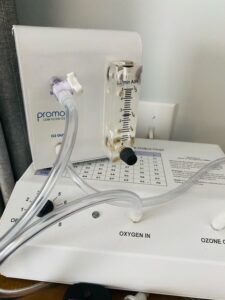
So during COVID, if you read my blog regularly, you know I got so sick, so sick I invested in an ozone generator. I had been using a HOCATT at my chiropractors and making great progress and I wanted to continue that at home.

Where do you start?

At the time, before I plucked up the courage to purchase my beloved all-in-one far infrared sauna, and before I purchased a MiHigh Portable Sauna Blanker, I decided to check out a portable sauna cupboard. This was my dipping my toe into the wonderful world of saunas, it was relatively inexpensive and it seemed easy to store when not in use.

Initially, after much contemplation about EMFs and plastic/non-natural product toxicity especially when using heat, I purchased this OPPSDECOR Portable Steam Sauna Spa Personal Sauna Tent for Relaxation at Home,  OPPSDECOR Portable Steam Sauna Spa Personal Sauna Tent) One-Person Indoor Sauna with Remote Control, Foldable Chair, and Timer.

I actually was quite happy with this portable sauna and used it several times before deciding to move on to the Portable Sauna Blanket. This was a great inexpensive way to get into a sauna and figure out if I actually liked it. Ultimately. what I discovered was that I liked a dry sauna more than the steam sauna, and that’s what moved me on but I keep going back to this one to consider modifying it for ozone use. I honestly would love to buy one of the hardshell sauna units but as I have limited space and I already own several different versions of saunas I think I have to be ok with where we are at. Is there a limit to how many saunas one can own?

So I have been searching for different products to modify for use with ozone, if I decide the one above won’t suffice, and I found a good alternative on Amazon. It is a little cheaper than the one I purchased and is more of a closed system which might be beneficial. However if I were doing ozone, I would want to have a very efficient mask or better, my head to be out like the above sauna tent. But this Smartmak Portable sauna is a great alternative. Smatmak Portable Steam Sauna Spa Personal Sauna Tent Sauna Steamer (Smartmak Sauna Steamer) and Chair


Why do we even need a sauna?

As a health supplement advocate and wellness enthusiast, I’ve always been on the lookout for effective ways to enhance my overall well-being. That’s what led me to purchase a sauna, and I couldn’t be happier with my decision. Here are the reasons why I personally chose to invest in this addition to my daily routine.

  1. Detoxification and Cleansing: Saunas are renowned for their ability to help the body rid itself of toxins through sweat. This natural detoxification process not only leaves me feeling refreshed but also promotes better health.
  2. Stress Relief: In the fast-paced world we live in, stress can take a toll on our mental and physical health. Stepping into my sauna allows me to unwind and de-stress, leaving me with a sense of calm and tranquility.
  3. Enhanced Skin Health: Sauna sessions boost blood circulation, which results in a healthy glow. My skin feels rejuvenated, and I’ve noticed a significant improvement in its appearance. I also use a dry exfoliating brush to keep my lymph moving.
  4. Weight Management: For those looking to manage their weight, saunas can help. The increased heart rate and calorie burn during a session contribute to a healthier weight management strategy.
  5. Immune System Support: As a health supplement advocate, I understand the importance of a strong immune system. Regular sauna use is shown to bolster the body’s natural defenses against illnesses.
  6. Convenience at Home: Having a sauna option at home is incredibly convenient. I can enjoy all these benefits without the need to schedule spa appointments, making it a practical and time-saving choice.

Really, my sauna routine has become an integral part of my wellness routine, helping me achieve my health and wellness goals. It’s a valuable investment for anyone looking to prioritize their well-being. Whether you’re a health-conscious individual, a busy professional, or simply someone seeking relaxation, a sauna can be a super helpful addition to your journey to a healthier, happier life.

Disclosure: This blog post contains affiliate links from Amazon.com. As an Amazon Associate, I earn from qualifying purchases. This means that if you make a purchase through these links, I may earn a small commission at no additional cost to you. I only recommend products and services that I personally use or believe will be beneficial to my readers. Your support through these purchases helps me to continue providing valuable content on Loving The Spectrum, rest assured, I still have to work a day job :D. Thank you for your support!

Navigating Life’s Inescapable Realities

Embracing the Unchangeable:

Navigating Life’s Inescapable Realities

I’m quite an introspective soul. My mind is a constant whirlwind of thoughts; it rarely takes a break. It’s as if I have a brain that’s forever delving into rabbit holes. In the midst of this ceaseless mental activity, I often find myself deeply immersed in contemplation, examining the intricate tapestry of our lives.

As the years go by, these moments of reflection have become more consistent, and weirdly less profound. It’s becoming increasingly clear to me just how little I truly understand. When I was younger, my naive self believed in life having a profound purpose, in absolute positivity, and in giving the universe what it needed to reward me with all I imagined possible. Now I believe, life has a funny way of showing you what you didn’t know you needed to know. Life’s fragility and unpredictability are more apparent than ever, reminding me that control over it is a fleeting illusion. This realization is having a curious effect on me: the more I learn, the more I feel compelled to seek out new knowledge. It’s as though I’ve stumbled upon the profound truth that actually I know nothing at all. My foundation and trust in what I thought I knew has shifted. Maybe it’s an age thing, or a shaped-by-circumstance thing (you know that pandemic thing), or a reaction to everything and all that has gone before and led me to this point, I am not totally sure.

In reality, it’s not uncommon to feel dissatisfied with certain aspects of our existence, yearning for change, yet grappling with the inescapable truth that some things are beyond our control. This paradox is a universal human experience, one that I, as a British expat living in America, working in mental health, and running an online business, am intimately familiar with. My life is a complex interweave of challenges, illness, wellness, lack of resources, time, energy, responsibility and change. All of which seem out of my control or at the very least (or best) minimally within what I can control.

The yearning for change can be overpowering at times. We might dream of a different career path, yearn for a change of scenery, or desire a more fulfilling relationship. These desires often come from a place of genuine longing and the belief that life could be better, more meaningful, or simply different. However, the harsh reality is that not everything can be altered to align with our desires. It has taken many years for me to learn this lesson.

FIRST ACKNOWLEDGE WHAT WE CAN’T CHANGE

One of the most challenging aspects of life is acknowledging that some circumstances must be endured. This endurance isn’t born out of complacency or resignation but rather from a profound understanding of love, responsibility, necessity, and ethical considerations. Let’s delve deeper into these facets of life and explore how they intersect with our yearnings for change. For me, the 5 reasons why are below. Yours may be different, but for me, these are my driving forces.

  1. Love: Love is a powerful force that can both inspire and confine us. We may find ourselves in situations where we deeply care about someone, be it a family member, friend, or partner, and their needs or circumstances tie us to a particular place or situation. Their needs are greater than ours OR their ability to access their solutions is over and above what they can handle.  This love becomes a tether that keeps us grounded, reminding us that some sacrifices are worthwhile for the sake of those we hold dear.
  1. Responsibility: Responsibilities come in various forms. It could be the duty to care for aging parents, the commitment to a long-term project at work, and for us, the deep responsibilities that came with our brand of parenthood. These obligations have made it difficult to pursue drastic life changes, as all these require constant demands on our time, energy, and attention. Fulfilling these responsibilities of course is not only my duty to the commitment I made to my children but also comes with a sense of pride and purpose, even if it is these very same things that are limiting the ability to change other aspects of our lives.
  1. Necessity: Sometimes, change is simply not an option due to financial constraints or other pressing needs. Financial stability, for instance, is a necessity that many of us cannot compromise on. While it can be frustrating to feel financially tied down, it’s a reality we must face and navigate as best we can. Those groups that advocate for mold toxicity and leaving with nothing, make so much sense but I just do not see that fitting into the all-encompassing reality of my life. With Grandparents and children and work and mortgages and financial obligations, it seems impossible to do either. Stay – stay sick but keep the balls in the air until we physically can’t any longer, or create that void and chaos by allowing everything to collapse and burn around us. I know the latter option would ensure my children did not survive so that alone answers that question.
  1. Obligation:  Obligations may arise from commitments we’ve made to our communities, organizations, or even ourselves. We may have promised to support a cause, complete a degree, or maintain certain standards of integrity and ethics. These obligations can guide our decisions and limit our ability to make radical changes. Again, see the financial points above, but more, I feel a sense of “must” remain consistent for my kids, for my spouse, I believe they deserve nothing less from me.
  1. Ethical Reasons: Our ethical principles and values play a crucial role in shaping our choices. Sometimes, the desire for change conflicts with our ethical beliefs. For instance, leaving a job that provides for our family, even if it’s unfulfilling, can be a moral dilemma. We must grapple with the ethical dimensions of our decisions and weigh the consequences they may have on ourselves and others. I find myself grappling with this constantly.

EMBRACING CHANGE AND WAYS TO MOVE FORWARD

While it can be discouraging to feel trapped by these factors, it’s somewhat essential for my mental well-being I continue to remind myself that not all is lost. My capacity for change isn’t limited to external circumstances alone; it also extends to my internal mindset and perspective. As this is currently my only option for change (internal rather than external) I have been rabbit-holing this for a while. Here are some strategies that I have found to help navigate the complexities of wanting change while feeling obligated and forced to honor my current commitments:

  1. Embrace Mindfulness: This was so annoying to me at first. I was constantly thinking: “Shut up about your stupid mindfulness people. It doesn’t change a thing!!” Practicing mindfulness allows us to accept our current circumstances without judgment – allegedly anyway. It’s supposedly a powerful tool for finding peace and contentment within the present moment, even when we yearn for change. I am trying. I am definitely not there yet. I am not. But I have shut down the voice and started to try to appreciate the idea of acceptance. I think for me, it would be considered radical acceptance right now more than mindfulness, but I am on my way at least.
  1. Have Realistic Goals: While some changes may be out of reach, others can be pursued gradually. Break down desires for change into smaller, manageable goals. This gives you a sense of progress and control. I have done this. I have accepted that my situation is what it is. I am making goals to move things forward. I am even looking at new projects to create opportunities for community-safe living for my oldest. I have an idea for a college-type campus for living. A place where there are safe apartments, a centralized eating place, firepits, and community, but peer support and services to aid our not-quite-ready-never probably-able-but-should-be-afforded-an-opportunity to live independently adults. That idea is currently percolating in my mind and not sure if I should file that under “realistic goals” but I am not a small thinker so, let it be known I also dream of winning the lottery.
  1. Seek Support: Reach out to friends, family, or a therapist to discuss your feelings of dissatisfaction and the constraints you face. They can provide valuable perspectives and emotional support. My spouse and my friends ground me. They get it. No judgment. No expectations. No rudeness or mocking. They are solid. Without them, what do I have?
  1. Find Joy in What You Have: Cultivate gratitude for the aspects of your life that bring you happiness and fulfillment. Focusing on the positive can ease the burden of unchangeable circumstances. I want to add the eye roll emoji here, but I won’t. I am again, going to continue to try. It is hard some days, but then I just let go and hug a chicken. Pure joy is available in that even when all else seems hopeless and lost.
  1. Explore Creative Solutions: Consider alternative ways to incorporate your passions and desires into your current life. This could involve pursuing hobbies, volunteering, or finding new outlets for self-expression. Or building housing solutions for semi-adult-adults, or hugging chickens. I am good with creative solutions. My life revolves around being flexible and creative. This is one skill I can say I embrace fully.

Really this human experience is a patchwork quilt woven from a myriad of desires, expectations, responsibilities, abilities, and ethical considerations. I can’t walk away from those I love, I can’t rob a bank to fund our lifestyle changes so, here we are. While we can yearn for change, we should also recognize there is some beauty in lessons learned by enduring and embracing the unchangeable aspects of our lives. We have to create what we live. Like restoring a tumble-down farmhouse. It’s a delicate balance, one that requires introspection, resilience (I hate this word but here it is sort of appropriate), hard work, hard choices, love, and a deep appreciation for the complexities of our existence. I try to remind myself that life’s most profound transformations often begin within the heart and mind, even when the external world remains unchanged. This is where my most important and intense learning has often been crafted, and feeds my desire to continue learning to thrive not simply to just exist. Who knows where we will be next year or next week but for those who don’t know me, I can say, I don’t quit, I never give up, I never stop seeking. Maybe one day, life will mean more than 42 and a dead fish.

Reddit: The meaning of Life, the Universe and Everything. (Hitchhikers Guide to the Galaxy)
In the ASCII Language (computer language), 42 is an * or “Wildcard”  The greatest computer ever built was asked what the meaning of life is and it literally told everyone in ITS language that “Life is what you make it”

Now Go, make life “it”.

Heat regulation in bipolar disorder, mood disorders and dysautonomia

Heat regulation, bipolar, mood-disorders

It’s been a hot one around here already, and apparently, we are going to hit an unprecedented heatwave this summer, or that’s what B keeps telling me anyway.  In the scorching embrace of summer, our bodies are pushed to their limits as the sun’s radiance engulfs us in its fiery glow. Amidst these oppressive conditions, we find ourselves susceptible to perilous conditions related to heat exhaustion. I began to get more interested in temperature challenges after hearing about a bipolar phenotype referred to as “Fear of Harm disorder”.  This disorder highlights heat regulation problems associated with bipolar and other mood disorders in adults and children.  I want to unpack this a little more and look at the link between extreme temperatures and the delicate balance of our physiological systems. Stay with me here as this might get complicated.

Fear of Harm hasn’t yet been universally accepted by the medical world yet (once again, can we all pause and take notice of how our medical establishments are hesitant to acknowledge anything that can’t be controlled through clear definitions and pharmaceutical regulation? Does anyone else share this observation? No, me either, just curious if you did. Anyway, off on a tangent..) Let’s discuss FOH first and the diagnostic criteria behind that diagnosis.

Unspecified Bipolar

This diagnosis is classified currently as an “unspecified Bipolar” and refers to a “Thermoregulatory Sleep Dysregulation Disorder” but commonly known as “Fear of Harm.” This is allegedly a complex and debilitating condition characterized by mood disturbances, fear of harm to self or others, thermoregulatory disturbances, sleep/wake disturbances (this has been an ongoing issue), aggression (link: he was 9 and worth a read), and significant impairment in functioning. That’s what got me interested in this proposed diagnostic criteria for Fear of Harm, clearly recognizing many of the symptoms, and offering my own as well as other possible potential causes, and the implications of the disorder on individuals’ lives.

[embeddoc url=”https://lovingthespectrum.com/wp-content/uploads/2023/07/Fear-of-Harm-Diagnostic-Criteria-Long-Form.pdf” download=”all” viewer=”browser”]

Since I learned about FOH (Fear of Harm), I’ve been actively participating in webinars and joined the only Facebook parenting group dedicated to this disorder. I’ve been immersing myself in personal stories, trying to understand how it relates to our situation.

However, today something alarming happened—my mother fainted in Walmart. To be fair, this isn’t the first time it has occurred. I’ve witnessed it happen multiple times, and as I reflect on those instances, I notice a pattern related to temperature and extreme situations. Today, it was incredibly hot and humid, and she was in an overcrowded grocery store. On other occasions, it happened during a minor medical procedure and once during a blood draw. It appears that heat and stress, trigger fainting episodes. Interestingly, my sister seems to experience the same issue.

Given that B has consistently shown distress and discomfort in hot temperatures throughout his life, often excessively sweating, it seems worthwhile to explore whether there is a connection to FOH.

Why this makes sense:

Since he was 8 months old, he has been plagued with an inability to sleep. We learned quickly to not put a blanket over him as we went to bed. Lately, he has been articulating his complaints of heat at night and then being too cold in the mornings. He does live in a camper so I was attributing a lot of complaining to that. Anyway, fuel for my ADHD, I am constantly ruminating about these things and wondering how it all fits together. More to the point, what can we do about it? We had settled pretty much on a diagnosis of dysautonomia for him and vasovagal syncope for mother, but is it really that simple? Does heat regulation really impact bipolar and other mood disorders?

So here I am (as I often do here) unraveling my thoughts around the multifaceted consequences of temperature dysregulation on our bodies.

What happens when we get too hot?:

    1. The Role of Thermoregulation: At the heart of our body’s defense against thermal stress lies the remarkable mechanism of thermoregulation. Our body tirelessly strives to maintain an internal temperature within a narrow range, allowing vital biochemical processes to function optimally. When exposed to excessive heat, this delicate balance is disrupted, giving rise to a cascade of physiological responses.
    2. Impact on Cardiovascular System: As temperatures soar, our cardiovascular system leaps into action, attempting to restore equilibrium. The body responds by diverting blood from vital organs to the skin’s surface, facilitating heat dissipation through sweat. This redistribution of blood can strain the heart, leading to increased heart rate (B regularly hits 150) and increased blood pressure. Although in my mother’s case, it seems more like a fast reduction in blood pressure. Regardless, the resultant cardiovascular stress may trigger symptoms like dizziness, palpitations, and even fainting.
    3. Altered Fluid and Electrolyte Balance: With perspiration being the body’s primary cooling mechanism, the loss of fluids and electrolytes becomes a critical concern. Heat exhaustion disrupts the delicate balance of sodium, potassium, and other essential minerals within our cells. Electrolyte imbalances can impede nerve function, muscle contractions, and cellular communication, causing fatigue, weakness, and potentially life-threatening complications. Our bodies run on electricity. “The elements in our bodies, like sodium, potassium, calcium, and magnesium, have a specific electrical charge. Almost all of our cells can use these charged elements, called ions, to generate electricity.” University of Maryland Graduate School, Amber Plante  Our whole family takes Vitassium Capsules to keep up with our electrolyte needs (if you have dysautonomia and rely on electrolytes give them a call, they offer discounted pricing for those of us with higher needs) –  Electrolytes we take daily: Vitassium Daily Salt Pills for Dysautonomia Management.
    4. Disrupted Central Nervous System: Temperature dysregulation profoundly affects the central nervous system, which coordinates vital bodily functions. Elevated temperatures may impair cognitive abilities, memory, and attention span, making it difficult to concentrate or make sound decisions. Additionally, irritability, confusion, and altered behavior may ensue, indicating the brain’s struggle to cope with the excessive heat. With that in mind, I bought him a cooling blanket to see if it helped any. He would give it 3 stars and said it does help but he still struggles even with the air-conditioning at full blast. Everlasting Comfort Cooling Blanket for Hot Sleepers – Dual Sided Bamboo Summer Blanket Reduces Body Temp in Under 5 Mins
    5. Gastrointestinal Challenges: The gastrointestinal system, responsible for digestion and absorption, can also suffer the consequences of heat exhaustion. Elevated temperatures can lead to decreased blood flow to the digestive organs, impairing their functionality. This may result in nausea, vomiting, and diarrhea, further exacerbating fluid and electrolyte imbalances.
    6. Musculoskeletal Strain: As the body grapples with heat-induced stress, the musculoskeletal system is not spared. Muscles, tendons, and ligaments may experience cramping, spasms, or even heat-related injuries. Dehydration and electrolyte imbalances can compromise muscle performance and increase the risk of sprains, strains, or heat-related muscle damage. This is why I personally continue with the Vitassium Electrolytes – I often have spasms in my arms and legs while I sleep. B always has a bad back, the AMAZON list of back stretchers and pain relievers is plentiful. One day I may list them all in a post but this is already longer than I wanted.

[embeddoc url=”https://lovingthespectrum.com/wp-content/uploads/2023/07/DYSAUTONOMIA-and-syncope.docx” download=”logged” viewer=”microsoft”]

Now, if you are still with me, I am assuming that we have a basic grasp of Dysautonomia, Vasovagal Syncope, and Thermoregulation dysfunction and their potential correlation with similar fight-flight-freeze symptoms, and we are left with important questions: Why does this happen? and Who else is pondering the same? How many of these symptoms overlap, and who determines clarification? I actually know the answer to that last one so consider that rhetorical.

Personally, I find it hard to believe that mental illnesses, mood disruptions, anger, frustration, depression, and other related disorders are simply random occurrences. There was a major controversy last year when it was revealed that serotonin may not play the role in depression that we once thought. This revelation makes sense to me, especially considering the high levels of dopamine and serotonin found in B’s spinal fluid during spinal taps. However, we still don’t have clear answers about the reasons behind this or the potential consequences. Nonetheless, it seems that B’s depression doesn’t align with the conventional understanding of low serotonin levels, or at least that’s my assumption based on the information we currently have available.

Then there is still Bartonella, GLUT1, and NASH, etc., etc., etc. which begs the question, “Which came first – the chicken or the egg? The bipolar/ mood disorder or the heat dysregulation?”

This psychology today article does align more with my thoughts about depression and other mood disorders and it’s worth reading in its entirety but to highlight:

  • Serotonin may not explain depression, but research on other brain pathways may provide answers.
  • The wiring and rewiring of our brains (neuroplasticity) is influenced by our lifestyle and may affect depression.
  • Our inflammatory state is affected by things like diet quality and sleep quantity, and has been linked to depression.
  • The gut-brain connection and our hormonal state are influenced by lifestyle choices, and are connected to brain health and depression

How can we find more answers when it seems like so few people are looking outside of what we already think we know? I don’t think I am the only one either (have you been on Reddit lately?). Anyway, I also saw this Twitter thread that someone had posted to Facebook and read with interest. Is it finally becoming time for psychology and mental health to focus on triggers not just symptoms?

So, is there a link between heat, bipolar, mood, and nervous system dysregulation, Smart money says yes, but solutions? In the relentless battle against the sweltering heat, our bodies valiantly attempt to maintain equilibrium. However, when pushed beyond their limits, the consequences of temperature dysregulation may be more than we realize beyond heat exhaustion. Heat exhaustion may just manifest as a formidable adversary, disrupting the intricate harmony of our physiology.

Maybe the best we can expect is to understand the multifaceted impact of heat exhaustion and empower ourselves to take proactive measures. Can we address heat regulation and positively impact bipolar, and other mood disorders by staying hydrated, seeking shade, wearing appropriate clothing, avoiding excessive physical exertion in high temperatures, and safeguarding our mental health? There is a webinar on the Children’s Mental Health Resource Center’s website  coming July:

  • July 2023: Cooling Strategies & Cooling Plans (register)
    • Cool, cool, cooling for the hot, hot, summer. Families and practitioners alike, come learn about how to use simple at-home cooling strategies to manage Fear of Harm symptoms all summer long. We’ll go over how to build a plan to integrate these thermoregulation techniques into daily life. Each goes a long way to reducing overheating and making sleep, moods, and all of daily life more manageable.

CMHRC hosts monthly informational webinars on the 3rd Wednesday of each month, from 7:30-8:30 pm Eastern time via Zoom. These events are free and open to the public and may offer more ideas, strategies, and solutions for those of us who need them.

Drop your comments below, help me out and follow me on social media, and don’t forget to read my Amazon affiliate disclaimer:

FOLLOW INSTAGRAM, FACEBOOKPINTEREST & YouTube

Disclosure: This blog post contains affiliate links from Amazon.com. As an Amazon Associate, I earn from qualifying purchases. This means that if you make a purchase through these links, I may earn a small commission at no additional cost to you. I only recommend products and services that I personally use or believe will be beneficial to my readers. Your support through these purchases helps me to continue providing valuable content on Loving The Spectrum, rest assured, I still have to work a day job :D. Thank you for your support!

Non-Toxic Deodorant

The Benefits of Non-Toxic-Deodorant For Women and Men:

Embracing a Healthier Choice

Non-Toxic Deodorants for Women, Men, and Especially Adolescents and Teenagers.

In recent years, there has been a growing concern regarding the potential health risks from toxins associated with conventional deodorants and antiperspirants. For us, this concern was raised dozens of years ago. I found the Environmental Working Group fairly quickly in this journey and it opened my eyes to how many toxic chemicals we encounter daily.

Follow on INSTAGRAM, FACEBOOKPINTEREST & YouTube

It’s no longer just us who are now seeking alternatives to what we were using. The trick is, to find a deodorant that offers effective odor control without the potential hazards can be expensive and difficult. Non-toxic-deodorants have emerged as a popular choice especially for women and our supermarket shelves can be found stocked with great choices. This is providing numerous benefits for those who prioritize their health and well-being and we are no longer “the odd people”. I wanted to explore the reasons why it might be better to opt for non-toxic deodorant for those still stuck on traditional antiperspirants and deodorants.

Avoiding Harmful Chemicals: Conventional deodorants often contain chemicals like aluminum compounds, parabens, phthalates, and artificial fragrances. These ingredients have raised concerns due to their potential links to health issues such as hormone disruption, allergies, and even cancer. Non-toxic-deodorants are formulated without these harmful chemicals, offering a safer alternative for daily use.

WebMD says this about phthalates: “What Does the Research Say?

  • We’re still learning about how phthalates affect us. At this point, more studies have been done on animals than on people.
  • One study links high levels of phthalate exposure to early death in older people.
  • The researchers looked at data on more than 5,000 adults in the U.S. They found that those between 55 and 64 years old with the highest levels of phthalates in their urine were more likely to die of heart disease than those with lower levels.” (emphasis mine)

and if WebMD says that “we are still learning” but also mentions death as a potential correlation… why haven’t there been more studies and more controls?

INSTAGRAM, FACEBOOKPINTEREST & YouTube

Allergen-Friendly:
Many individuals have sensitive skin or allergies that can be aggravated by the chemicals found in conventional deodorants. There have been rising numbers of eczema since the 70s and that alone could be a great reason to switch. Non-toxic deodorants are typically free from common irritants, making them a suitable choice for those with sensitive skin or allergy concerns. These deodorants often use natural ingredients like baking soda, essential oils, and plant extracts, which are gentler on the skin.

Supporting Natural Body Processes:
Antiperspirants work by blocking the sweat glands, preventing perspiration. While this may be desirable for some, it interferes with the body’s natural cooling and detoxification processes. Non-toxic deodorants, on the other hand, allow the body to sweat naturally, which helps regulate body temperature and eliminate toxins. By supporting the body’s natural functions, non-toxic deodorants promote a healthier and more balanced environment.

[embeddoc url=”https://lovingthespectrum.com/wp-content/uploads/2023/07/Underarm-detoxification-protocol.pdf” download=”logged” viewer=”browser”]

Environmentally Conscious Choice:
Many conventional deodorants come in plastic packaging and contain ingredients that are harmful to the environment. Non-toxic deodorants often utilize eco-friendly packaging, such as recyclable or biodegradable materials, reducing waste and environmental impact. Additionally, some non-toxic deodorants are produced using sustainable and ethically sourced ingredients, further minimizing their ecological footprint. You can find more information on The Environmental Working Group’s page.

Personalized Fragrance Options:
Non-toxic deodorants often offer a variety of natural fragrance options derived from essential oils. This allows individuals to choose scents that align with their preferences and personal values. These fragrances can provide a more subtle and pleasant aroma compared to the strong, artificial fragrances found in conventional deodorants.

Follow me on INSTAGRAM, FACEBOOKPINTEREST & YouTube

Long-Term Health Considerations:
While research on the long-term effects of conventional deodorant ingredients is ongoing, opting for non-toxic alternatives can be seen as a proactive measure to prioritize long-term health. By reducing exposure to potentially harmful chemicals, individuals can minimize their risk of adverse health effects that may arise from prolonged use of conventional deodorants.

Transitioning to a Non-Toxic Lifestyle:
Choosing non-toxic deodorants can be part of a broader commitment to a healthier and more natural lifestyle. Many individuals opt for non-toxic personal care products as part of a holistic approach to reducing exposure to harmful substances in their daily lives. This conscious decision to prioritize well-being extends beyond deodorants and can encompass other aspects such as skin care, cleaning products, and diet.

I personally am in love with the

Nakd. Thai Crystal Deodorant Stone Salt Deodorant Crystal Sticks 

Nakd Brand Non-Toxic Deodorant Choices for Women, Men, Teenagers and Adolescents. BUY NOW NATIVE Deodorant Pack

I ordered my last one on April 21st, 2023 and there are no signs of running out yet. The best part about this purchase was that they sent me the large deodorant and then a smaller-sized travel product (4.25 oz. Regular + 2.5 oz. Travel Size – All Natural Unscented Crystal Deodorant and Aluminum Free Salt Deodorant for Women Men & Teens by Vasarii). It is fantastic as I do tend to travel overnight a lot and this is small enough to fit in my handbag.

Before I found NAkd Stone deodorant. I used to use the Cleure Stone Product but couldn’t find it on AMAZON anymore – the Cleure Roll On is available here. while I love that product (it is such a clean brand), I really do prefer a crystal version, so I switched to the Nakd brand. If you prefer a roll-on version, the Cluere Roll-On is a great choice.

Full disclosure: At first, when you switch, it is awful. Your family and friends may avoid you! It takes a couple of weeks to detox all the things that I presume are harboring the bacteria and making that lovely body odor smell, but after a short while, it all gets better. I can say with 100% certainty that there is never a day that my deodorant fails me. I highly, highly recommend taking a few days to complete the underarm detoxification protocol above, and then try switching to one of the non-toxic brands available. One more disclaimer: I did try Lume and while it was somewhat effective, I didn’t like the smell even with the new formula and it also didn’t work as well as my crystal salt versions. I really wanted to love that product but it just wasn’t the right choice for me.

To summarize, non-toxic deodorants offer a range of benefits for those seeking an alternative to conventional products. By avoiding harmful chemicals, supporting natural body processes, and embracing environmentally conscious options, we can prioritize our health and well-being.  Small steps and all that. Amazon has literally dozens of choices: See here for “non-toxic deodorants for women.” The growing availability and variety of non-toxic deodorants make it easier than ever to make this healthier choice. So, why not take a step towards a safer and more mindful lifestyle by considering non-toxic deodorants? Your body and the environment will thank you.

Disclosure: This blog post contains affiliate links from Amazon.com. As an Amazon Associate, I earn from qualifying purchases. This means that if you make a purchase through these links, I may earn a small commission at no additional cost to you. I only recommend products and services that I personally use or believe will be beneficial to my readers. Your support through these purchases helps me to continue providing valuable content on Loving The Spectrum. Thank you for your support!

FOLLOW INSTAGRAM, FACEBOOKPINTEREST & YouTube

Subscribe for the latest updates on our Journey Back to Health. What to expect when encephalitis becomes an unwelcome visitor in your home!

We promise to never sell, barter, share or trade your information, “Namaste”.

Subscribe to Our Newsletter